
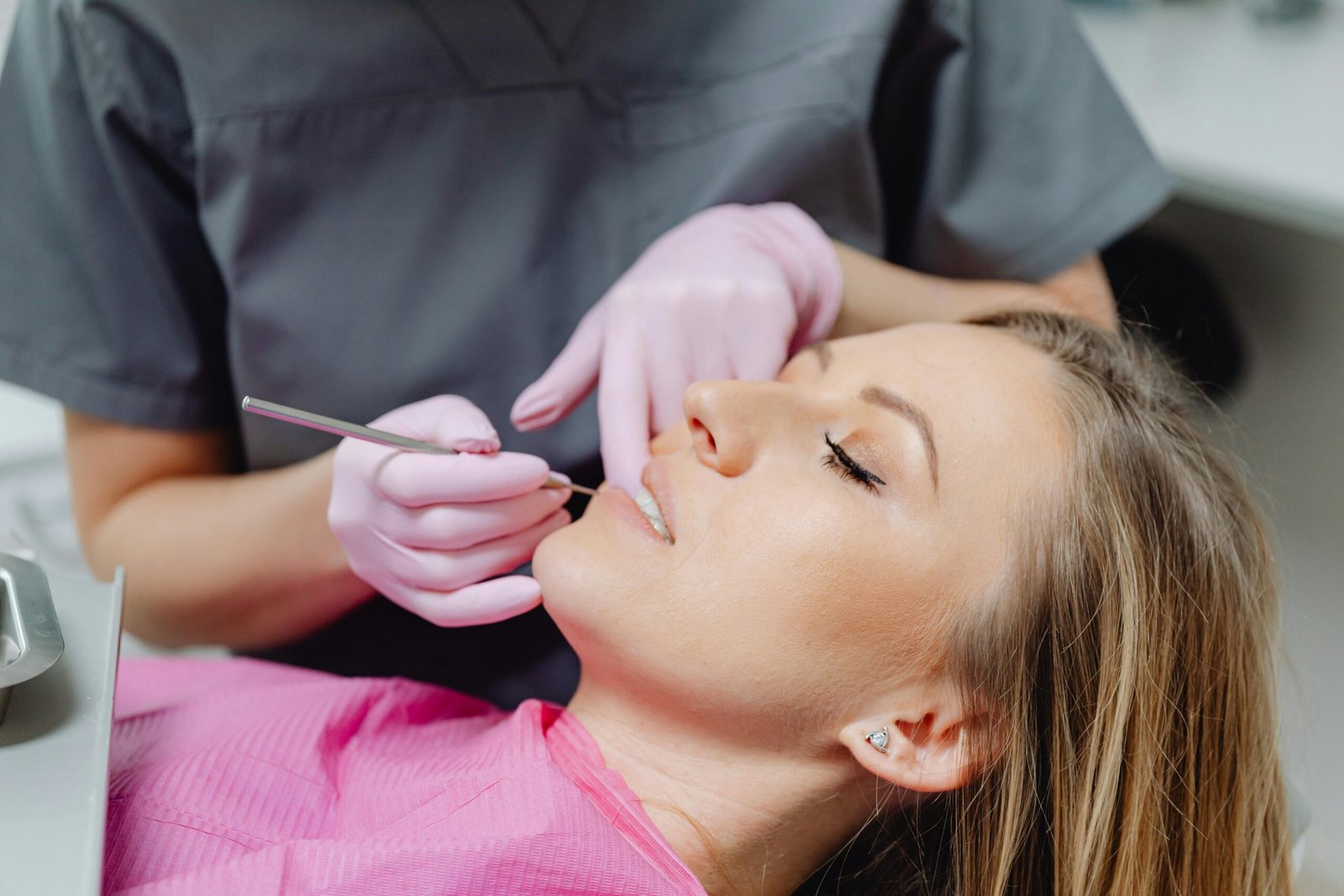
Hey there! If the thought of sitting in a dental chair makes your heart race, you’re definitely not alone. Millions of Americans deal with dental anxiety every year. The good news? Sedation dentistry can make even the longest or most complex procedures feel much easier — and a lot less scary.
But then the next question pops up: “Is it actually safe?” Especially when you start hearing about different options like nitrous oxide (laughing gas), oral pills, or IV sedation.
In this guide, we’ll break down sedation dentistry types and safety in simple, honest terms. We’ll compare nitrous oxide, oral sedation, and IV sedation so you can understand how each works, what it feels like, the risks involved, and which one might be right for you in 2026.
Let’s chat about it like we’re in the waiting room together — no judgment, just real talk.
What Is Sedation Dentistry?
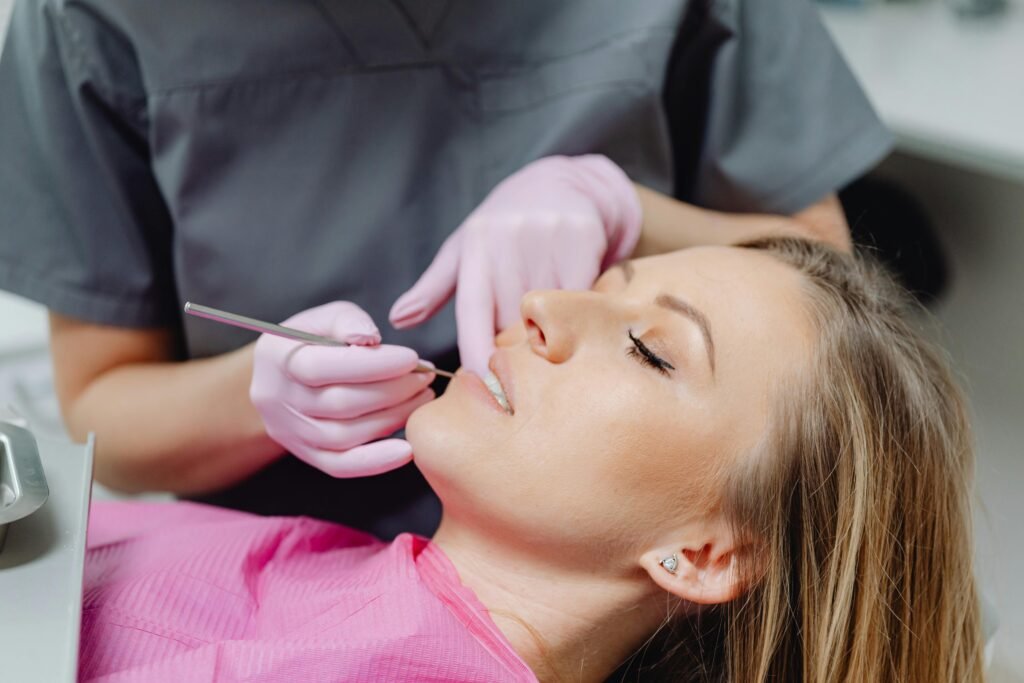
Sedation dentistry uses medication to help you relax during dental work. It ranges from mild (you’re awake and chatty) to deeper levels (you’re drowsy or have little memory of the procedure).
The American Dental Association (ADA) sets clear guidelines for training, monitoring, and safety. When performed by a properly trained and licensed dentist, sedation dentistry has an excellent safety record in the United States.
The three most common types are:
- Nitrous oxide (inhaled)
- Oral conscious sedation (pill)
- IV sedation (intravenous)
Each has different levels of relaxation, recovery time, and suitability.
1. Nitrous Oxide (Laughing Gas) – The Mildest Option
Nitrous oxide is mixed with oxygen and inhaled through a small mask over your nose. You start feeling calm and relaxed within 3–5 minutes.
How it feels: Many people describe a pleasant, floating sensation or mild euphoria. You stay fully awake, can talk, and respond to your dentist the whole time.
Safety: This is considered one of the safest forms of sedation. It has a very wide margin of safety, quick onset and offset, and few side effects. Effects wear off quickly once the gas is turned off — you can usually drive yourself home afterward. It’s safe for most adults and even many children.
Pros:
- Very low risk
- Adjustable during the procedure
- No lingering drowsiness
- Great for mild anxiety or shorter appointments (cleanings, fillings, etc.)
Cons:
- May not be strong enough for severe anxiety or long, complex procedures
Common side effects: Mild nausea in rare cases (usually if you eat a heavy meal beforehand).
2. Oral Sedation – Moderate Relaxation in a Pill
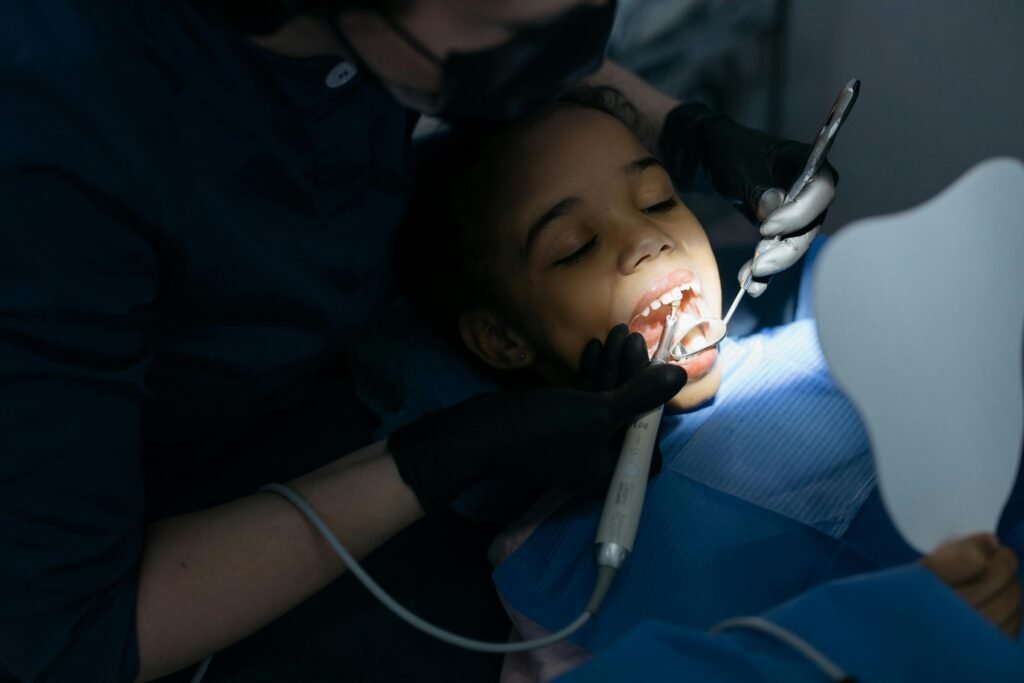
With oral sedation, you take a prescribed pill (often from the benzodiazepine family like triazolam or diazepam) about an hour before your appointment.
How it feels: You’ll feel deeply relaxed or even drowsy, but you can still be awakened easily. Many patients have partial or full amnesia about the procedure.
Safety: Oral sedation is very safe when the dose is properly calculated based on your age, weight, and health history. Dentists follow ADA guidelines for training (usually 24+ hours of specific education). However, because the medication is swallowed, the dentist can’t adjust the level in real time, so careful patient screening is important.
Pros:
- No needles involved
- Good for moderate anxiety
- Easier than IV for many people
Cons:
- Takes longer to kick in and wear off (you’ll need someone to drive you home)
- Effects can vary from person to person
Common side effects: Drowsiness that lasts several hours, mild grogginess the rest of the day.
3. IV Sedation – Deeper, Controllable Relaxation
IV sedation (also called conscious or moderate sedation) delivers medication directly into your bloodstream through a small vein in your arm or hand. The dentist or trained provider can adjust the level throughout the procedure.
How it feels: You’ll be in a “twilight” state — deeply relaxed, with little to no memory of the appointment. You can still respond to verbal cues, but most people feel like they were “out” for the whole thing.
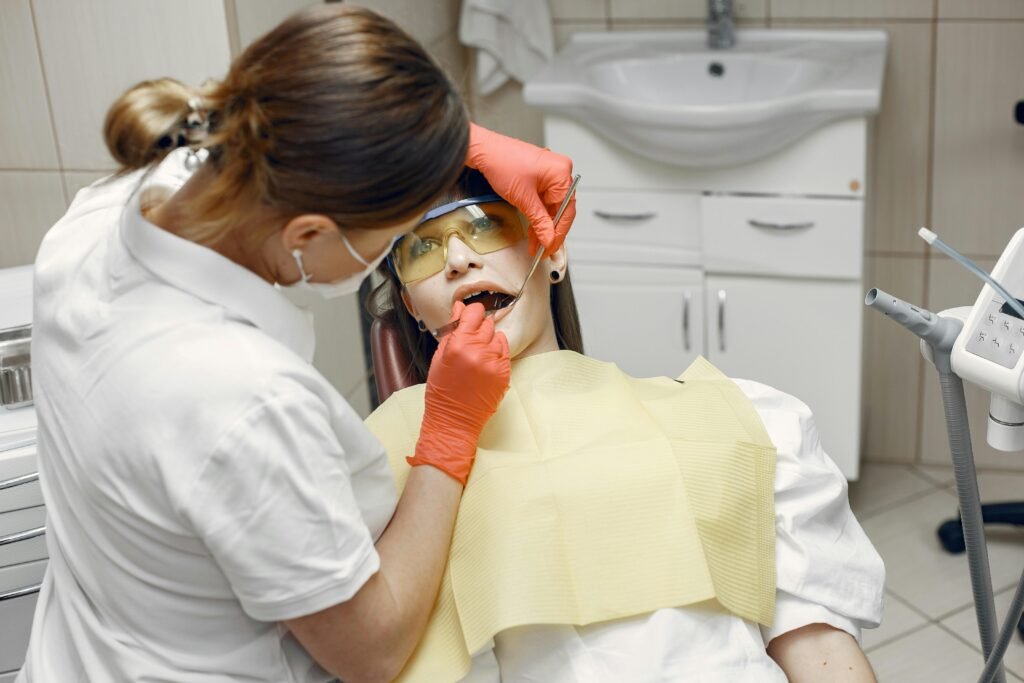
Safety: IV sedation is highly safe in dental offices when administered by dentists who have completed advanced training (ADA guidelines often require 60+ hours of classroom time plus supervised cases). Continuous monitoring of oxygen levels, blood pressure, heart rate, and breathing is standard. Serious complications are extremely rare (well under 1% in properly managed settings).
Pros:
- Fast onset and highly adjustable
- Excellent for severe anxiety, long procedures, or surgical work (implants, wisdom teeth, etc.)
- Amnesia effect is usually stronger
Cons:
- Requires more monitoring and training
- You’ll definitely need a ride home and should rest afterward
- Slightly higher cost
Common side effects: Bruising at the IV site or temporary drowsiness.
Head-to-Head Comparison: Sedation Dentistry Types and Safety
Here’s a quick side-by-side look:
- Level of Sedation: Nitrous = Minimal | Oral = Moderate | IV = Moderate to Deep
- Onset Time: Nitrous = 3–5 minutes | Oral = 30–60 minutes | IV = Almost immediate
- Control During Procedure: Nitrous = Excellent (adjustable) | Oral = Limited | IV = Excellent (titratable)
- Recovery Time: Nitrous = Minutes (drive yourself) | Oral = Several hours to a day | IV = Several hours (need escort)
- Best For: Nitrous = Mild anxiety, routine care | Oral = Moderate anxiety | IV = Severe anxiety or complex/surgical procedures
- Safety Profile: All three are very safe with trained providers. Nitrous has the widest safety margin; IV requires the most advanced training and monitoring.
Overall complication rates for dental sedation are extremely low when ADA guidelines are followed. Major issues (like needing hospital transfer) occur in less than 0.01% of cases in well-regulated practices.

Who Should Consider Sedation Dentistry?
You might benefit if you have:
- Dental phobia or severe anxiety
- A strong gag reflex
- Difficulty getting numb with local anesthesia
- Need for lengthy or multiple procedures
- Certain medical conditions that make staying still difficult
Always be honest about your health history, medications, and anxiety level during your consultation.
Important Safety Tips
- Choose a dentist with proper training and credentials for the level of sedation they offer (ask about their ADA-compliant education).
- Provide a full medical history — including allergies, sleep apnea, or heart/lung issues.
- Follow pre- and post-op instructions carefully (no eating/drinking for oral/IV in many cases).
- Have a responsible adult drive you home for oral or IV sedation.
Modern monitoring equipment (pulse oximetry, capnography, blood pressure) makes today’s sedation dentistry safer than ever.
Final Thoughts: Is Sedation Dentistry Safe for You?
Yes — for the vast majority of healthy patients, sedation dentistry types and safety are very reassuring when you work with a qualified provider. Nitrous oxide is the gentlest starting point, oral offers a nice middle ground, and IV provides powerful relaxation for those who need it most.
The key is matching the right type to your anxiety level, the procedure, and your overall health. A good cosmetic or general dentist will walk you through your options without pressure and help you feel confident and comfortable.
If dental fear has been keeping you from the care you need, sedation could be the game-changer that finally gets you in the chair — and keeps your smile healthy for years to come.
Have you tried any form of sedation before, or are you nervous about a specific procedure? Drop your questions in the comments — I’d love to help you figure out what might work best for you!