
Hey friend! Tooth pain can be scary — especially when it hits suddenly or wakes you up in the middle of the night. You might be googling your symptoms and wondering: “Is this just a bad cavity, or do I need an emergency root canal?”
The truth is, ignoring certain signs can turn a fixable problem into a much bigger (and more expensive) one. In this guide, we’ll walk through the 10 most common emergency root canal symptoms so you can recognize when it’s time to stop waiting and call your dentist right away.
Let’s talk about it honestly — like we’re chatting in the dental office waiting room. Knowing these signs could save your tooth and prevent a lot of unnecessary pain.
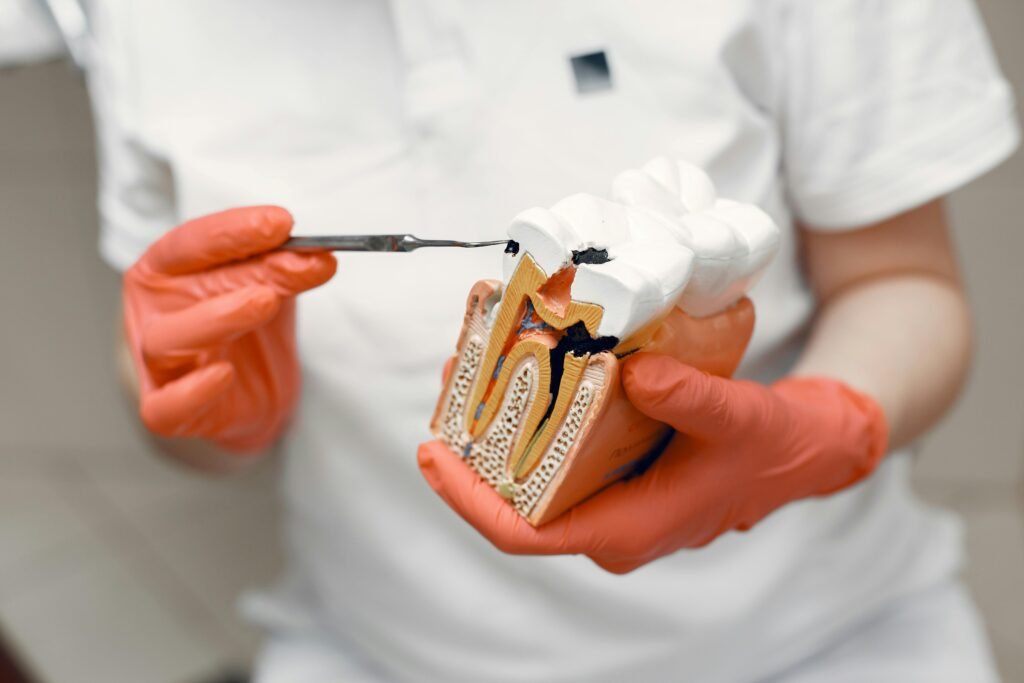
What Is an Emergency Root Canal, Anyway?
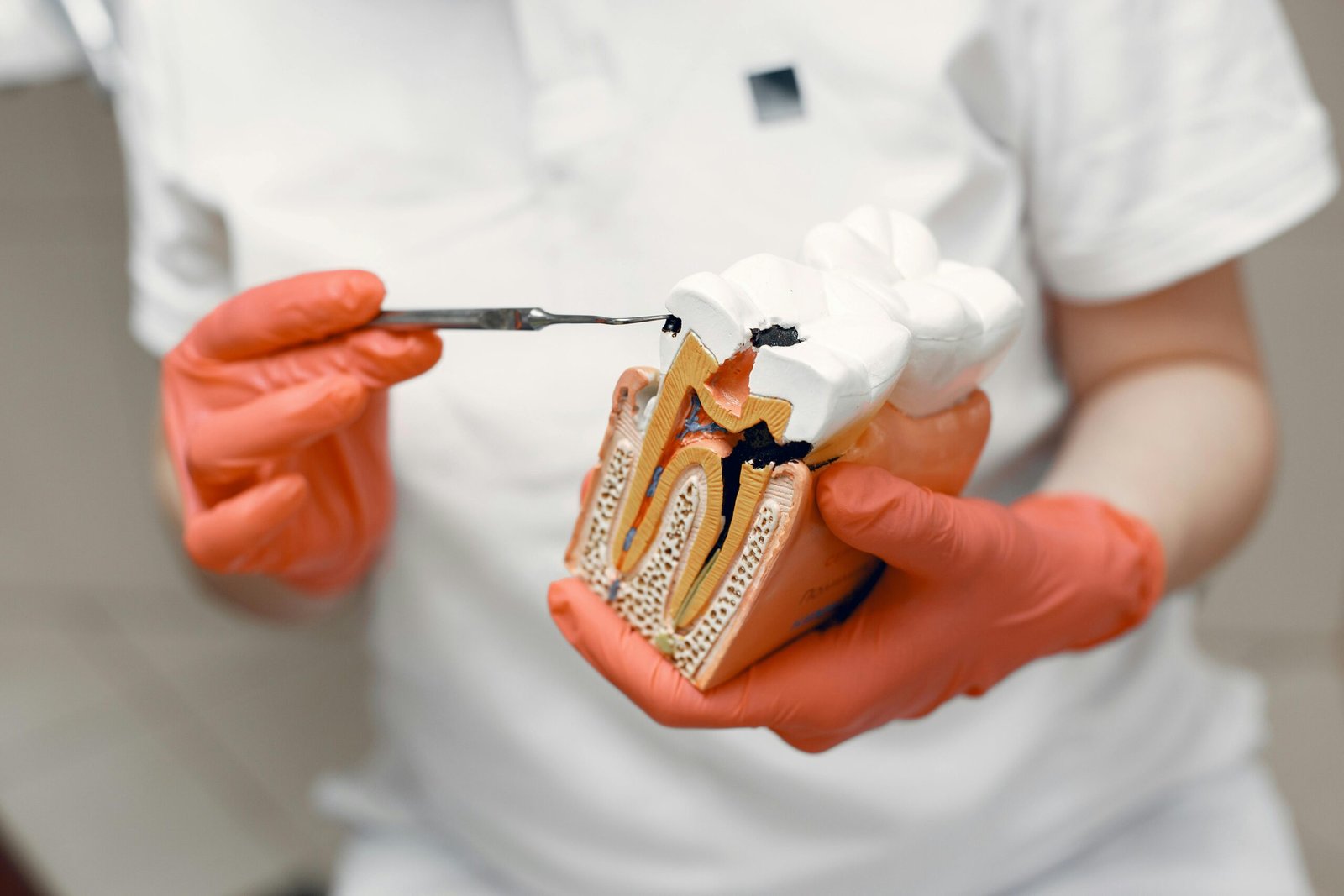
A root canal becomes an “emergency” when the pulp (the soft tissue inside your tooth that contains nerves and blood vessels) is infected or severely inflamed. If left untreated, the infection can spread to the jawbone, cause a painful abscess, or even lead to tooth loss.
The good news? Modern root canals are much more comfortable than the old horror stories, and catching the problem early often means a faster, less complicated procedure.
Here are the 10 warning signs that scream “emergency root canal symptoms”:
1. Severe, Persistent Tooth Pain That Won’t Go Away
If you have throbbing, sharp, or constant pain that lasts for hours or days — especially pain that wakes you up at night — this is one of the top emergency root canal symptoms.
Over-the-counter pain relievers may help temporarily, but if the pain keeps coming back stronger, the nerve inside the tooth is likely dying or infected.
2. Pain When Biting or Chewing
Does it hurt every time you bite down on food? Or does one specific tooth feel “high” or extra sensitive when you chew?
This pressure sensitivity often means the infection has reached the root tip and is causing inflammation in the surrounding bone — a classic sign you may need an emergency root canal.
3. Lingering Sensitivity to Hot or Cold
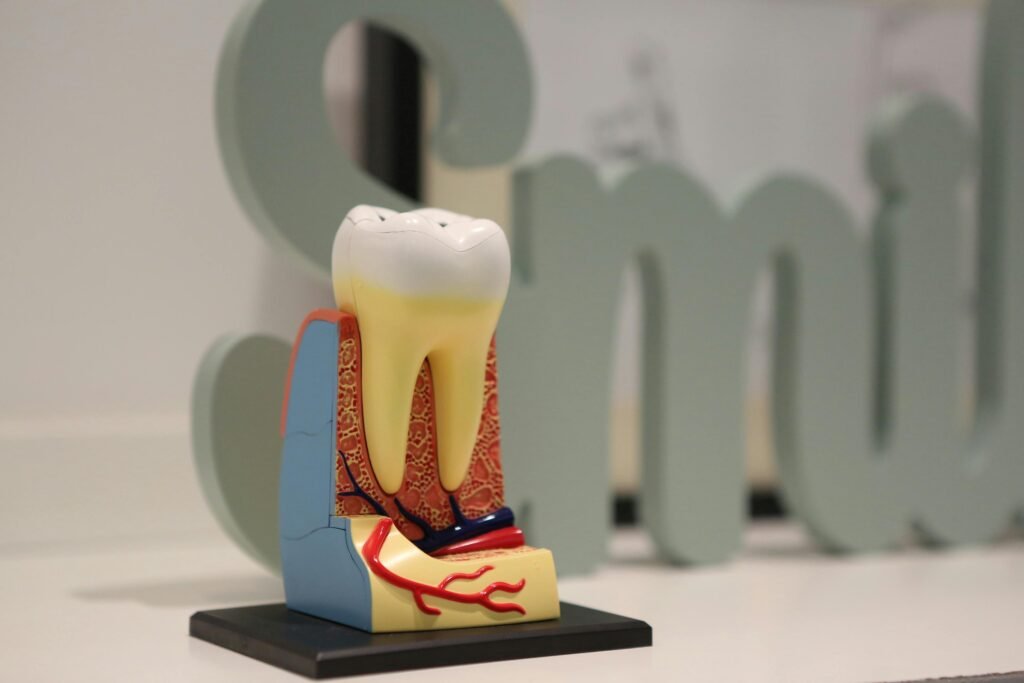
We’ve all had a moment of “brain freeze” from ice cream. But if the sharp zing from cold drinks or hot coffee lingers for several minutes (or even hours) after the food is gone, that’s a big red flag.
This prolonged sensitivity is one of the clearest emergency root canal symptoms because it usually means the nerve is irreversibly inflamed.
4. Swelling in Your Face, Gums, or Jaw
Any visible swelling — whether it’s a puffy cheek, swollen gum, or tenderness under your jaw — is serious.
Swelling often indicates an abscess (a pocket of pus) forming at the root tip. This is a dental emergency that needs immediate attention to prevent the infection from spreading to your sinuses, neck, or bloodstream.
5. A Pimple-Like Bump on Your Gum (Dental Abscess)
If you notice a small boil or pimple on the gum near the painful tooth that may drain pus or have a bad taste, this is almost always a sign of infection that has escaped the tooth.
Don’t pop it! This is a clear emergency root canal symptom and requires professional treatment right away.
6. Discoloration of the Tooth
A tooth that suddenly turns gray, dark yellow, or black (especially after trauma) often means the nerve inside has died.
Dead nerves don’t always cause pain right away, but they almost always lead to infection eventually. Don’t wait for pain — discoloration is enough reason to get it checked as an emergency.
7. Bad Breath or Bad Taste That Won’t Go Away
Persistent foul breath or a metallic/bad taste in your mouth (even after brushing) can come from pus draining from an infected tooth.
This is especially concerning when combined with any of the other symptoms above.
8. Fever, Chills, or Feeling Generally Unwell
If you have tooth pain plus a fever or swollen lymph nodes under your jaw, the infection may be spreading beyond the tooth.
This is a true dental emergency. Head to an emergency dentist or urgent care if your regular dentist isn’t available.
9. Pain That Radiates to Your Ear, Jaw, or Head
Sometimes the pain from an infected tooth travels to your ear, temple, or other teeth. Many people mistakenly think it’s a sinus issue or TMJ problem.
If regular painkillers aren’t cutting it and the pain keeps radiating, it’s likely an emergency root canal symptom.
10. A Cracked or Broken Tooth with Sudden Pain
If you bit down on something hard and now have sharp pain, or if an old filling fell out and the tooth is now extremely sensitive, the nerve may be exposed.
Large cracks can allow bacteria to reach the pulp quickly, turning the situation into an emergency.
What Should You Do If You Have These Emergency Root Canal Symptoms?
Don’t wait it out hoping it will go away. Here’s what to do:
- Call your dentist immediately — many offices reserve same-day slots for emergencies.
- If your regular dentist is closed, search for “emergency dentist near me” or go to a 24-hour dental clinic.
- In severe cases (high fever, facial swelling closing your eye, or difficulty breathing/swallowing), go to the ER.
- Take ibuprofen or acetaminophen as directed for pain relief until you can be seen (but don’t rely on it as a cure).
How Bad Is the Root Canal Procedure Itself?
Most people are pleasantly surprised. With modern techniques and good anesthesia, the procedure is usually no more uncomfortable than getting a filling. Many patients say the relief afterward is worth it.
You’ll likely leave with a temporary filling, and a permanent crown is placed a week or two later to protect the tooth.
Preventing Future Emergency Root Canals
While not every root canal is preventable, good habits help:
- See your dentist every 6 months for check-ups and cleanings.
- Don’t ignore small cavities or sensitivity.
- Wear a mouthguard if you grind your teeth.
- Address cracked teeth promptly.
Final Thoughts
Recognizing emergency root canal symptoms early can mean the difference between saving your tooth and losing it. If you’re experiencing severe pain, swelling, lingering sensitivity, or any of the signs above, don’t tough it out — reach out to a dentist today.
Your mouth (and your wallet) will thank you for acting quickly.
Have you had any of these symptoms recently, or are you worried about a specific tooth right now? Drop your questions in the comments — I’m happy to help point you in the right direction. In the meantime, take care of that smile!