
Hey there! If you’re over 65, you’ve probably noticed that taking care of your teeth and gums isn’t quite as simple as it used to be. Medications, dry mouth, receding gums, or old restorations can make oral health feel more challenging. The good news? With the right preventive dental care for seniors, you can keep your natural teeth healthy, comfortable, and strong well into your 80s and 90s.
In this ultimate guide, we’ll talk honestly about why preventive care becomes so important as we age, the most common senior dental issues, practical daily habits that actually work, and how regular professional care can save you pain, money, and even protect your overall health.
Let’s chat like friends over coffee — no complicated jargon, just helpful advice you can use right away.
Why Preventive Dental Care for Seniors Matters More Than Ever
As we get older, our mouths change. Saliva flow often decreases (especially with common medications for blood pressure, cholesterol, or depression), gums may recede, and teeth can become more brittle. Untreated dental problems don’t just affect your smile — they’re linked to heart disease, diabetes complications, pneumonia, and even cognitive decline.
The best news? Most senior dental problems are highly preventable. Consistent preventive dental care for seniors helps you avoid painful emergencies, expensive treatments, and dentures later in life.
Common Oral Health Challenges for Seniors
Here are the issues you’re most likely to face:
- Dry mouth (xerostomia)
- Gum disease (periodontitis)
- Tooth decay at the root surfaces
- Worn-down or cracked teeth
- Ill-fitting dentures or partials
- Oral cancer risk (which increases with age)
The earlier you catch and manage these, the better your long-term outcome.
Daily Preventive Dental Care Routine for Seniors
A simple, effective routine takes just 5–10 minutes twice a day:
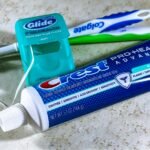
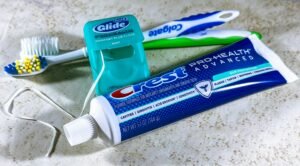
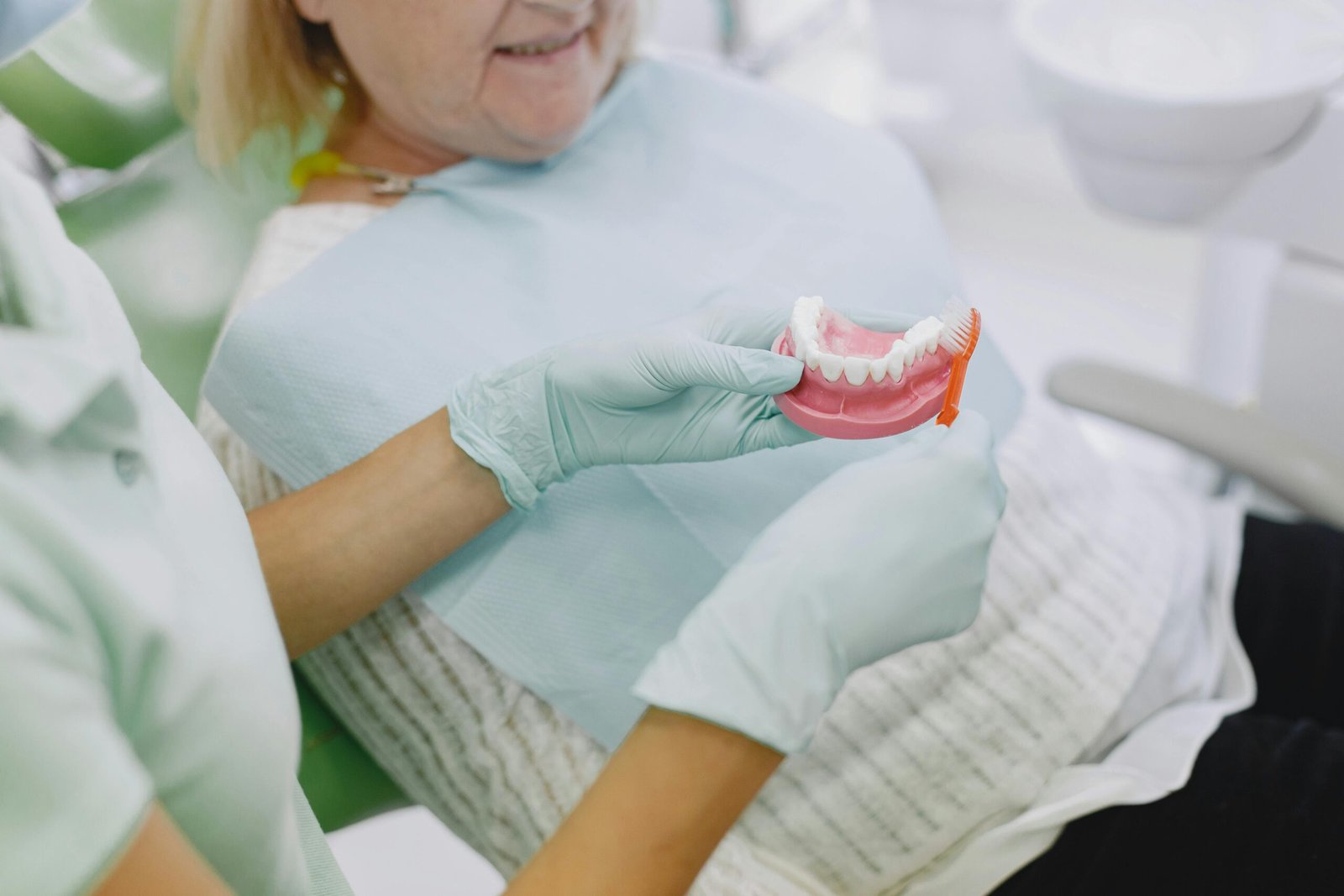
1. Brushing (Twice Daily) Use a soft-bristled toothbrush or an electric toothbrush (much gentler on aging gums and hands). Brush for two full minutes, paying special attention to the gumline and back teeth. If you have arthritis, look for a toothbrush with a thick or angled handle.
2. Flossing or Alternatives Floss once a day. If traditional floss is difficult, try floss picks, a water flosser (Waterpik), or interdental brushes. Cleaning between teeth removes plaque that brushing misses.
3. Tongue Cleaning Gently brush or scrape your tongue to reduce bacteria and freshen breath.
4. Mouth Rinse Use an alcohol-free, fluoride mouth rinse daily. If you have dry mouth, choose one made specifically for xerostomia (Biotene, TheraBreath, or prescription options).
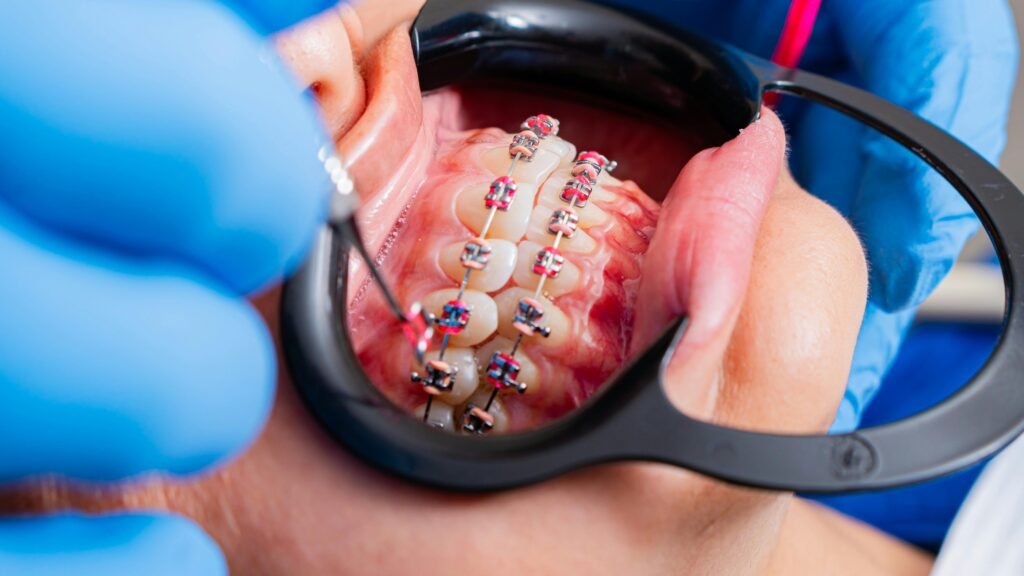
5. Denture Care (If Applicable) Clean dentures daily with a denture brush and non-abrasive cleanser. Soak them overnight. Never sleep with partials or dentures unless your dentist specifically approves it.
6. Stay Hydrated Drink plenty of water throughout the day. This helps combat dry mouth and washes away food particles.
Smart Lifestyle Habits That Protect Senior Smiles
- Control Sugar Intake: Reduce frequent snacking on sweets and sugary drinks. Opt for cheese, nuts, or crunchy vegetables as snacks.
- Quit Tobacco: Smoking and chewing tobacco dramatically increase risk of gum disease and oral cancer.
- Manage Health Conditions: Keep diabetes, heart disease, and osteoporosis under control — they all affect oral health.
- Review Medications: Ask your doctor or pharmacist if any of your medicines cause dry mouth. There are often alternatives or saliva substitutes.
- Use Fluoride Products: High-fluoride toothpaste (5000 ppm) or prescription gels can help prevent root decay.
Professional Preventive Dental Care for Seniors
Don’t skip these important visits:
- Dental Check-ups: Every 3–6 months (many seniors benefit from every 3 months). Regular cleanings remove tartar that you can’t reach at home.
- Oral Cancer Screening: Done at every visit — early detection saves lives.
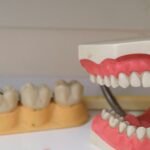
- X-rays: Digital X-rays help spot decay between teeth and under old crowns or bridges.
- Fluoride Treatments: In-office varnish or foam applications strengthen teeth.
- Custom Nightguard: If you grind your teeth at night, a nightguard prevents excessive wear and cracks.
Many dental offices now offer senior-friendly services like longer appointment times, comfortable chairs, and gentle techniques.
Dental Insurance and Medicare Tips for Seniors
- Original Medicare does not cover routine dental care, but many Medicare Advantage plans do.
- Medicaid dental benefits vary by state — check your state’s program.
- Consider a standalone dental insurance plan or a dental savings plan for discounts.
- HSA or FSA funds (if still working or on a spouse’s plan) can help pay for preventive care and treatments.
Warning Signs That Need Immediate Attention
See your dentist right away if you notice:
- Bleeding gums
- Persistent bad breath
- Loose teeth
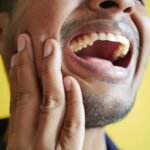
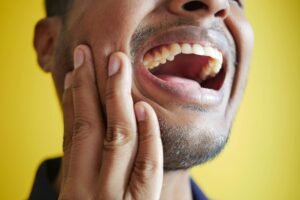
- Pain or sensitivity
- Sores in the mouth that don’t heal within two weeks
- Changes in how your dentures fit
Simple Preventive Checklist for Seniors
- Brush twice daily with fluoride toothpaste
- Clean between teeth once daily
- Use saliva substitutes or xylitol products for dry mouth
- Visit your dentist every 3–6 months
- Eat a tooth-friendly diet
- Stay hydrated
- Quit smoking
- Wear a nightguard if you grind
Following this checklist can dramatically reduce your risk of major dental problems.
Final Thoughts: It’s Never Too Late
Taking care of your teeth and gums in your senior years is one of the best investments you can make in your quality of life. Strong teeth mean better nutrition, more confidence when smiling, clearer speech, and fewer health complications down the road.
Preventive dental care for seniors doesn’t have to be complicated or expensive. With consistent daily habits and regular professional visits, most seniors can keep their natural teeth healthy and avoid painful, costly procedures.
You’ve earned the right to enjoy your favorite foods, laugh freely, and feel confident every time you look in the mirror. Start today with small, consistent steps — your future self will thank you.
Have you noticed any changes in your oral health lately, or do you have questions about dry mouth, dentures, or finding a senior-friendly dentist? Feel free to share in the comments — I’d love to help point you in the right direction!