

Hey there! If you’re thinking about getting a dental implant to replace a missing tooth, you’ve probably heard the term “bone graft” come up during your consultation. It can sound a little intimidating at first — like an extra complicated step you weren’t expecting.
The big question most people ask is: “Do I really need a bone graft for dental implant?”
Let’s talk about it honestly, like we’re sitting together in the dentist’s office. I’ll explain when bone grafting is necessary, how the process works, what it feels like, how much it costs in 2026, and what your options are. No scary jargon — just clear, friendly info so you can feel confident moving forward.
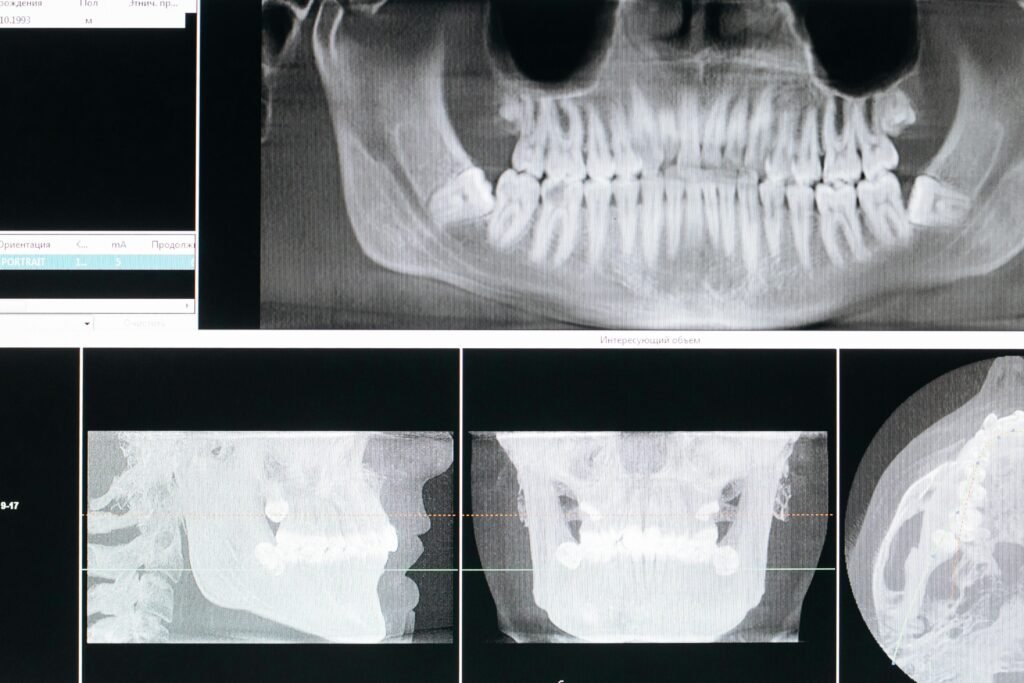
Why Bone Grafting Is Often Needed for Dental Implants
Dental implants need a strong, healthy foundation of jawbone to fuse with (a process called osseointegration). When you lose a tooth, the jawbone in that area starts to shrink over time — sometimes within just a few months.
If there isn’t enough bone height or width left, the implant won’t have enough support and could fail. That’s where a bone graft for dental implant comes in. It rebuilds the missing bone so your implant has a solid place to anchor.
Common reasons you might need one:
- Tooth was missing for a long time
- Gum disease caused bone loss
- Previous injury or infection
- You naturally have thinner bone (especially in the upper jaw near the sinuses)
Good news: Not everyone needs a bone graft. Many people with recent tooth loss or good bone density can go straight to implant placement.
How Do Dentists Decide If You Need a Bone Graft?
Your implant dentist or oral surgeon will check with:
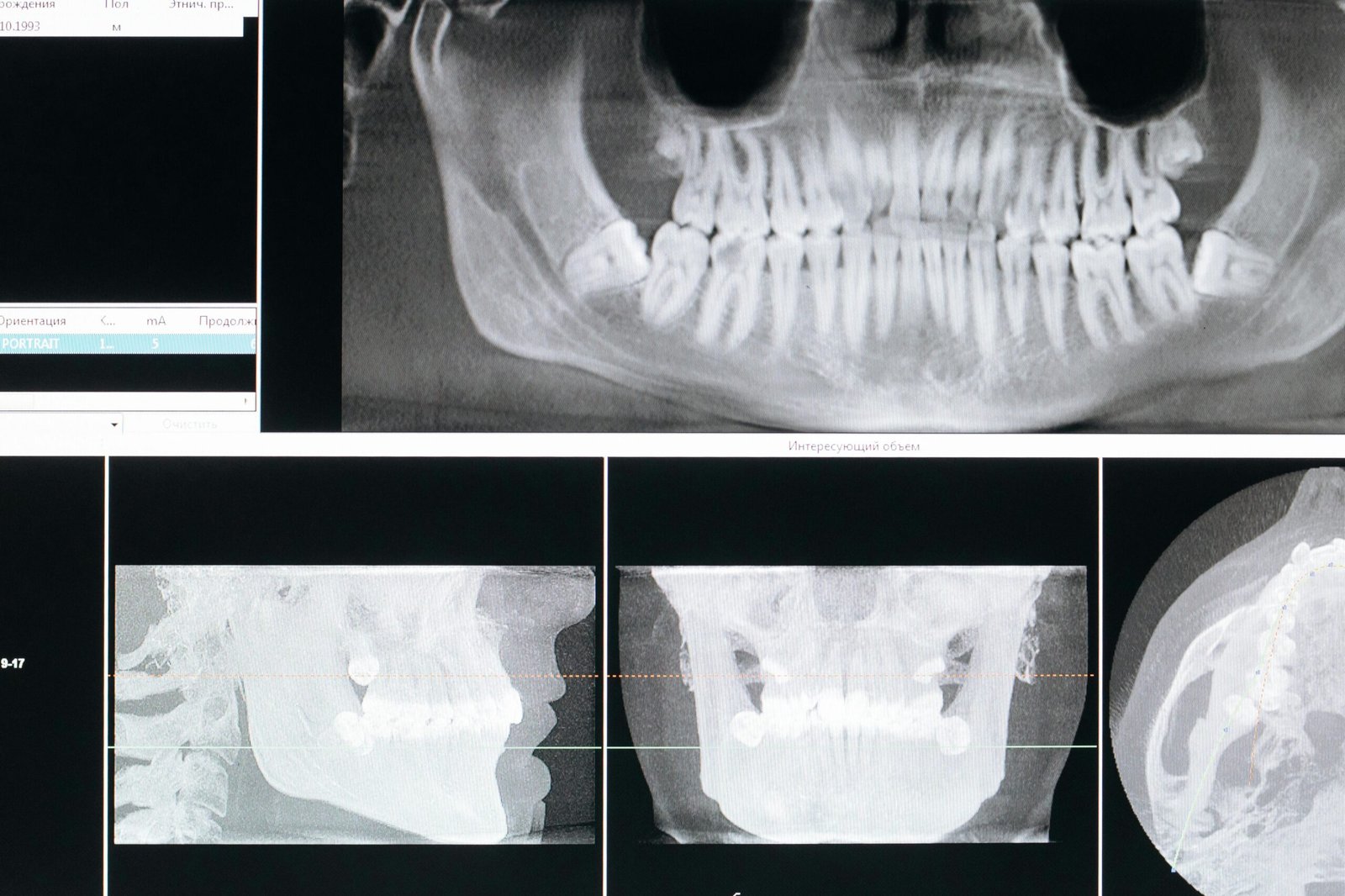
- 3D CT scan (CBCT) — This gives a clear 3D picture of your bone volume
- Digital X-rays
- Physical examination of your gums and bite
If the scan shows less than 5–8 mm of bone height (depending on location), a bone graft is usually recommended.
Types of Bone Grafts Used for Dental Implants
There are several options your dentist might recommend:
- Autograft (Your own bone) Bone is taken from another area of your body (often the chin or hip). It’s the gold standard for integration but requires a second surgical site.
- Allograft (Donor bone from a tissue bank) Processed human bone — very safe and commonly used. No second surgery needed.
- Xenograft (Animal-derived, usually bovine/cow bone) Most popular choice in the U.S. because it’s readily available and integrates well.
- Alloplast (Synthetic bone material) Lab-made materials that encourage your body to grow new bone.
- Growth Factors & Membranes Often combined with grafts (like PRP or special collagen membranes) to speed healing and improve results.
For many patients, a simple xenograft or allograft is all that’s needed.

The Bone Graft for Dental Implant Process: Step by Step
Here’s what usually happens:
Stage 1: The Bone Graft Procedure
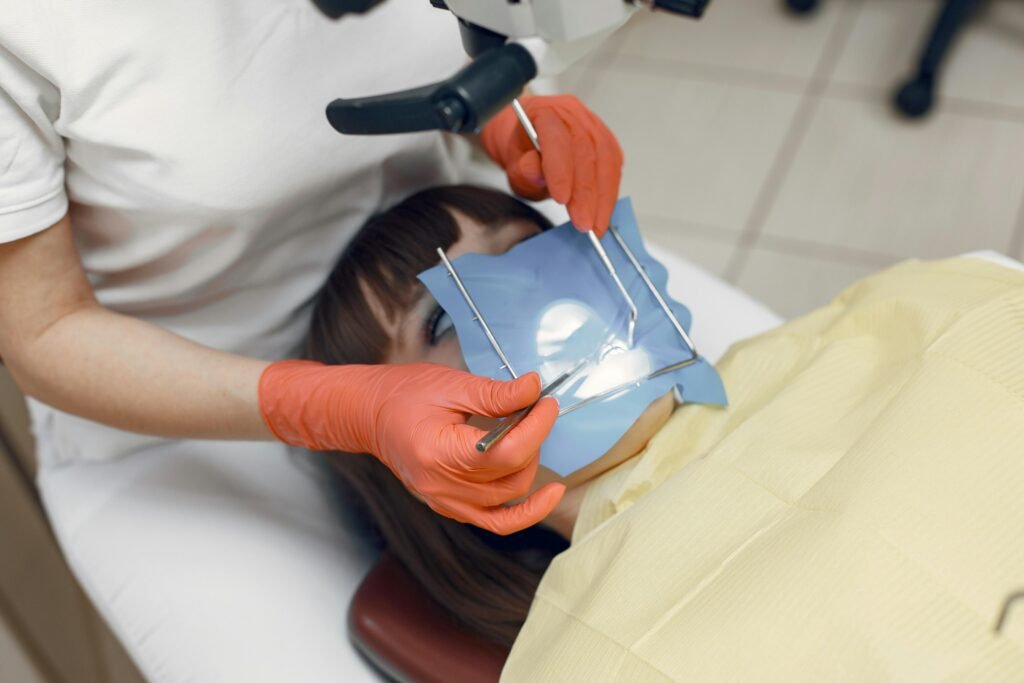
- Done under local anesthesia or sedation — most patients feel little to no pain during the surgery.
- Your dentist makes a small incision in the gum, places the grafting material, and may cover it with a membrane.
- The site is stitched closed.
- For minor grafts (socket preservation right after extraction), it can be done in the same appointment as tooth removal.
Healing Time After Graft
- Most bone grafts need 3 to 9 months to fully mature and turn into strong, living bone.
- Minor grafts may only need 3–4 months.
- Larger sinus lifts (for upper back teeth) often take 6–9 months.
Stage 2: Dental Implant Placement Once the graft has healed and new bone has formed, the implant is placed. In some lucky cases, the implant can even be placed at the same time as the graft (called simultaneous placement).
Stage 3: Final Restoration After the implant integrates (another 3–6 months), your permanent crown, bridge, or denture is attached.
Total timeline with bone grafting: Usually 6–12 months from start to finished smile.
Does Bone Grafting Hurt? What Recovery Is Like
Most patients say the discomfort is surprisingly mild — much less than they expected.
- First 48–72 hours: Some swelling, mild soreness, and bruising. Ice packs and prescribed pain medication help.
- Days 4–7: Swelling goes down quickly. Many people return to work in 2–5 days.
- Diet: Soft foods for the first 1–2 weeks.
- Restrictions: No smoking, no straws, no heavy exercise for the first week.
Laser-assisted or minimally invasive techniques available in many clinics make recovery even easier in 2026.
Bone Graft for Dental Implant Cost in 2026
Here’s what most Americans are paying:
- Simple socket graft (small area, done at time of extraction): $300 – $800
- Minor ridge augmentation (one or two implants): $800 – $2,500 per site
- Moderate to large graft: $2,000 – $4,500
- Sinus lift (for upper molars): $2,500 – $6,000 per side
These costs are in addition to the dental implant itself (which typically runs $3,000 – $6,000 per tooth including the crown).
Many dental offices offer financing through CareCredit, in-house payment plans, or accept HSA/FSA funds. Some insurance plans may cover part of the graft if it’s considered medically necessary (e.g., after trauma or severe infection), but purely for implant purposes, it’s often out-of-pocket.
Can You Avoid a Bone Graft Altogether?
Sometimes yes! Modern techniques that help skip or minimize grafting include:
- All-on-4 or All-on-6 implants — These use angled implants to maximize existing bone.
- Short or narrow implants — Designed for patients with less bone volume.
- Zygomatic implants (for severe upper jaw bone loss) — Anchor into the cheekbone instead.
- Immediate implant placement right after extraction (when bone is still good).
Your dentist will honestly tell you if these options are realistic for your case.
Is a Bone Graft Worth It?
For most people, yes. A successful bone graft gives your implant the best chance of long-term success (over 95% in healthy patients). Without enough bone, the implant can fail, leading to more procedures and higher costs later.
Many patients say the extra few months of waiting were completely worth it when they finally get a strong, natural-looking tooth that feels secure.
Final Thoughts: Talk to Your Implant Specialist
Whether or not you need a bone graft for dental implant depends entirely on your unique situation and bone health. The best next step is to get a 3D scan and a clear, honest opinion from an experienced implant dentist or oral surgeon.
Bring your questions to the consultation. Ask about:
- Your specific bone volume
- Alternative options to grafting
- Total timeline and all-inclusive costs
- Before-and-after photos of similar cases
A good provider will walk you through everything without pressure and help you make the choice that fits your budget, timeline, and goals.
If you’ve been nervous about bone grafting, know that it’s a very common and highly predictable procedure in 2026. Thousands of Americans get it done successfully every month and end up with beautiful, long-lasting smiles.
Have you had a consultation yet? Are you worried about the grafting process or the cost? Feel free to share your questions in the comments — I’d love to help however I can!