

Hey there! If your dentist just mentioned that your wisdom teeth are impacted and need to come out, you might feel a mix of relief and nerves. Impacted wisdom teeth — those sneaky third molars trapped in your jawbone or gums — are super common in the U.S., and getting them removed can prevent a lot of future headaches (and toothaches).
In this guide, we’ll walk through everything you need to know about impacted wisdom teeth removal in 2026: why it’s often recommended, what the procedure actually feels like, the real risks, costs, and a practical aftercare plan so you can heal smoothly. Let’s chat about it like friends — no scary stories, just honest info.

Why Do Impacted Wisdom Teeth Need Removal?
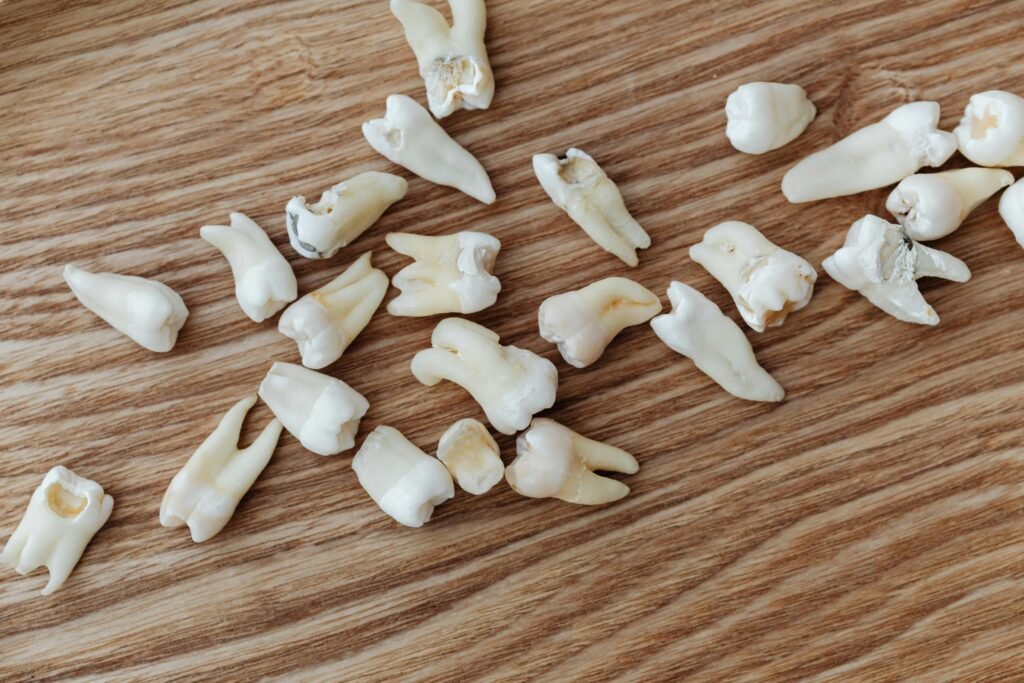
Wisdom teeth usually try to erupt between ages 17 and 25, but most mouths don’t have enough space. When they get stuck (impacted), they can cause pain, infection, crowding of other teeth, cysts, or damage to neighboring molars.
Your oral surgeon might recommend impacted wisdom teeth removal if X-rays or a 3D scan show:
- Partial or full bony impaction
- Recurrent infections (pericoronitis)
- Decay, gum disease, or pressure on nearby teeth
- Cysts or tumors forming around the tooth
Many young adults get them out preventively before problems start — and it’s often easier when you’re younger and healthier.
The Impacted Wisdom Teeth Removal Procedure: What to Expect
The good news? This is one of the most common oral surgeries in America, and modern techniques make it much more comfortable than in the past.
Step-by-step on surgery day:
- Anesthesia/Sedation — You’ll get local anesthesia (numbing), plus options like nitrous oxide, oral sedation, or IV sedation/general anesthesia for deeper relaxation. Most people choose sedation so they remember very little.
- Accessing the Tooth — Your oral surgeon makes a small incision in the gum. For bony impactions, they may gently remove a bit of bone or section the tooth into pieces for easier removal.
- Extraction — The tooth (or pieces) comes out. The site is cleaned, and stitches are often placed (they may dissolve on their own).
- Time — Removing all four teeth usually takes 45–90 minutes, depending on complexity.
You’ll rest in recovery for a bit, then head home with a responsible adult (especially if you had sedation). Many patients say the procedure itself felt way easier than they expected.
Risks and Complications of Impacted Wisdom Teeth Removal
Like any surgery, there are some risks, but serious problems are uncommon when done by an experienced oral surgeon.
Common risks:
- Dry socket (most frequent complication): The blood clot dislodges, exposing bone and causing throbbing pain (usually days 3–5). It happens in about 3–5% of cases, more often in the lower jaw, smokers, or women.
- Swelling, bruising, and jaw stiffness (normal and temporary).
- Infection (rare with proper care and sometimes prevented with antibiotics).
Less common but important risks:
- Temporary numbness or tingling in the lip, chin, or tongue (1–3% chance due to nerve proximity; permanent is much rarer, under 1–2%).
- Sinus issues (for upper wisdom teeth).
- Damage to nearby teeth or jawbone (very low with modern imaging and techniques).
Overall, complication rates are low — most people heal without issues. Risks go up slightly if you’re over 40 or wait until symptoms are severe, so earlier evaluation is often smarter.
How Much Does Impacted Wisdom Teeth Removal Cost in 2026?
Costs vary by location, complexity, and anesthesia, but here are realistic national averages in the U.S.:
- Per tooth (surgical/impacted extraction): $800 – $1,800 on average.
- All four teeth: Often $2,500 – $6,000+ total without insurance (simple cases lower, complex bony impactions or hospital setting higher).
- With insurance: Many plans cover 50–80% if deemed medically necessary (e.g., infection or impaction). Check your plan — preventive removal may have less coverage.
Sedation adds $200–$800 depending on type. Many offices offer CareCredit, in-house financing, or payment plans. Always get a detailed written estimate that includes X-rays, sedation, and follow-ups.
Aftercare: Your Day-by-Day Recovery Guide
Healing from impacted wisdom teeth removal usually takes 1–2 weeks for most daily activities, though full bone healing can take a few months. Here’s what a typical recovery looks like:
Day 1 (Surgery Day): Rest at home. Keep gauze in place for the first hour (change as needed). Use ice packs on your cheeks (20 minutes on/off) to control swelling. Take prescribed pain meds before numbness wears off. Stick to liquids and very soft foods. Some oozing is normal.
Days 2–3 (Peak Discomfort): Swelling and soreness often peak here. Bruising may appear. Continue ice packs the first 48 hours, then switch to warm compresses. Eat soft foods like yogurt, smoothies, mashed potatoes, or scrambled eggs. Avoid straws, smoking, spitting, and hot/spicy foods — these can dislodge the clot and cause dry socket.
Days 4–7: Most people feel much better. Swelling starts decreasing. You can usually return to work or school (desk jobs) by day 3–5 if you feel up to it. Gently rinse with warm saltwater after meals. Introduce slightly firmer soft foods.
Week 2 and Beyond: Stitches may dissolve or get removed. Jaw stiffness improves. Most swelling and pain are gone, though some tenderness can linger. Avoid crunchy, hard, or chewy foods for at least 2 weeks.
General Aftercare Tips:
- Take all medications as directed (pain relievers, antibiotics if prescribed).
- Stay hydrated and eat nutrient-rich soft foods.
- Sleep with your head elevated.
- No strenuous exercise, heavy lifting, or alcohol for at least 3–7 days.
- Brush gently away from the sites; use a water flosser or prescribed rinse later if recommended.
- Call your surgeon right away for severe pain not relieved by meds, excessive bleeding, fever, or pus.
Following instructions carefully dramatically lowers risks like dry socket and infection.
Is Impacted Wisdom Teeth Removal Worth It?
For most people dealing with pain, infections, or high risk of future problems — yes. The short-term discomfort is usually far better than dealing with repeated infections, crowding, or more complex surgery later in life.
Choose an experienced oral and maxillofacial surgeon. Ask to see 3D scans, discuss sedation options, and get clear answers about your specific case.
Final Thoughts
Impacted wisdom teeth removal is a routine procedure that helps thousands of Americans every year enjoy better oral health and fewer future dental issues. With good planning, proper sedation, and diligent aftercare, most patients look back and say it wasn’t nearly as bad as they feared.
If your dentist or oral surgeon has recommended it, don’t put it off out of fear — schedule a consultation and ask all your questions. Your future smile (and peace of mind) will thank you.
Have you been dealing with wisdom tooth pain, or are you preparing for removal? Share your questions or experiences in the comments — I’d love to help point you in the right direction!