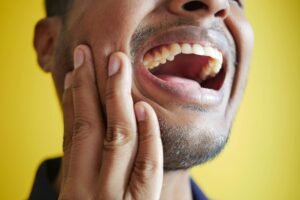

Hey there! If you’ve been dealing with tooth sensitivity — that sharp zing from ice cream, hot coffee, or even cold air — and you’re dreaming of a brighter, straighter smile, you’re not alone. Many Americans wonder if porcelain veneers are even possible when their teeth already feel extra sensitive.
The good news? Yes, you can get veneers, and with the right choices, they might even help protect your teeth in the long run. In this friendly guide, we’ll talk honestly about finding the best porcelain veneers for sensitive teeth in 2026 — what works, what to watch out for, costs, and how to make the whole process as comfortable as possible.
Let’s chat about it like we’re sitting in the dentist’s waiting room together.
First, Can You Really Get Porcelain Veneers with Sensitive Teeth?
Absolutely — but it depends on why your teeth are sensitive. Sensitivity often comes from thin enamel, receding gums, tiny cracks, or exposed dentin. Porcelain veneers can actually act like a protective shield once they’re bonded on, covering those sensitive areas and reducing everyday discomfort for many people.
That said, the process itself can cause temporary sensitivity for a few days to a few weeks because a small amount of enamel is usually removed. The key is choosing the gentlest approach possible so you don’t trade one kind of sensitivity for another.
Traditional Porcelain Veneers vs. Minimal-Prep or No-Prep Options
Here’s where things get exciting for sensitive teeth:
- Traditional Porcelain Veneers: These are strong, natural-looking, and last 10–20 years. They usually require removing about 0.3–0.7 mm of enamel. Great for fixing chips, gaps, or heavy discoloration, but they can increase short-term sensitivity if too much tooth structure is removed.
- Minimal-Prep or No-Prep Veneers (the real heroes for sensitive teeth): These ultra-thin shells (often just 0.2–0.3 mm thick) need little to no drilling. Brands like Lumineers, DURAthin, DaVinci, and certain e.max (lithium disilicate) options are designed exactly for this. They bond directly over your existing enamel, making them more reversible and far gentler on sensitive teeth.
Many cosmetic dentists in the U.S. now recommend no-prep or minimal-prep porcelain veneers as the best porcelain veneers for sensitive teeth because they preserve more of your natural tooth and often require little or no numbing.
Best Materials for Sensitive Teeth in 2026
Not all porcelain is created equal. Look for these top options:
- e.max (Lithium Disilicate) — Strong yet beautiful with great translucency. Can often be made ultra-thin for minimal prep. Excellent durability and a very natural look.
- Feldspathic Porcelain — Super thin and highly aesthetic (mimics real enamel best), ideal for no-prep cases when done by a skilled lab.
- High-Translucency Zirconia or Hybrid Options — Stronger for people who clench or grind, but your dentist may prefer porcelain blends for the most lifelike results on front teeth.
Avoid super-opaque or overly thick materials if sensitivity is your main concern — thinner, more translucent options tend to be kinder.
Pros and Cons for Sensitive Teeth
Pros:
- Can cover and protect sensitive areas, often reducing long-term discomfort.
- Stain-resistant (goodbye coffee and wine worries!).
- Natural-looking results that boost confidence.
- Minimal-prep versions are reversible in many cases.
- Long-lasting — 10–20 years with good care.
Cons:
- Temporary sensitivity after placement (usually fades in 1–4 weeks).
- Higher cost than composite bonding.
- Not fully reversible if traditional prep is used.
- Requires excellent oral hygiene to avoid issues at the margins.
For most people with mild-to-moderate sensitivity, the pros win — especially with today’s ultra-thin designs.
How Much Do the Best Porcelain Veneers for Sensitive Teeth Cost in 2026?
In the United States, expect these average prices per tooth:
- Traditional Porcelain Veneers: $1,000 – $2,500
- No-Prep / Minimal-Prep (Lumineers, e.max thin, etc.): $800 – $2,500 (sometimes similar or slightly higher due to specialized materials and lab work)
For a full smile makeover (6–10 teeth), you’re looking at roughly $6,000 – $25,000 total, depending on your location and the dentist’s expertise. Big cities like New York, Los Angeles, or Miami tend to be on the higher end, while Midwest or Southern practices are often more affordable.
Many offices offer financing through CareCredit or in-house plans, and some accept HSA/FSA funds. Always ask for a detailed quote that includes consultations, temporary veneers, and follow-ups.
The Step-by-Step Process (Made Less Scary)
- Consultation — Your cosmetic dentist will examine your teeth, discuss sensitivity triggers, and take 3D scans or photos. They’ll show you a digital smile preview or wax-up mock-up so you can “try on” the look.
- Treatment Planning — Decide together on no-prep vs. minimal-prep based on your enamel thickness and goals.
- Tooth Preparation — Minimal or none for sensitive cases. Desensitizing agents or special bonding techniques are often used to keep you comfortable.
- Temporaries — You’ll wear temporary veneers while the permanents are made in the lab (usually 1–3 weeks).
- Final Placement — The veneers are bonded with strong adhesive. Many patients say this appointment feels exciting rather than painful.
- Follow-Up — A quick check a week or two later to adjust bite or polish if needed.
Most people report that any post-procedure sensitivity is manageable with desensitizing toothpaste and fades quickly.
Tips for Choosing the Right Dentist and Getting the Best Results
- Look for a cosmetic dentist or prosthodontist who specializes in veneers (check before-and-after photos of sensitive cases).
- Ask specifically about experience with no-prep or minimal-prep techniques.
- Request a trial smile or mock-up before committing.
- Discuss your sensitivity history openly — the best dentists will address underlying issues (like gum recession or grinding) first.
- Choose hand-crafted, custom veneers from a high-quality lab rather than mass-produced ones for the most natural fit.
Red flags? If a dentist pushes aggressive prep without discussing gentler options or rushes you into treatment, consider getting a second opinion.
Long-Term Care for Your New Smile
Once your veneers are on, treat them well:
- Use a soft toothbrush and non-abrasive toothpaste.
- Wear a nightguard if you grind your teeth.
- Avoid using teeth as tools (no opening packages!).
- Visit your dentist every 6 months for cleanings and checks.
With proper care, your veneers can stay beautiful and comfortable for many years.
Final Thoughts: Is It Worth It?
If sensitivity has been holding you back from smiling freely, the best porcelain veneers for sensitive teeth — especially ultra-thin no-prep or minimal-prep options — can be a game-changer. They not only improve how your smile looks but can also provide a protective layer that makes daily life more comfortable.
It’s a bigger investment than whitening or bonding, but for many Americans, it’s one of those “I wish I’d done this sooner” decisions.
Ready to explore your options? Start by booking consultations with 2–3 experienced cosmetic dentists in your area. Bring your questions about sensitivity — the right team will make you feel heard and excited about the possibilities.
Have you been thinking about veneers but worried about sensitivity? Drop your questions or experiences in the comments — I’d love to help point you in the right direction!