
Hey friend! If you’re missing most or all of your teeth in one or both jaws, you’ve probably heard about All-on-4 dental implants. It’s one of the most popular “teeth in a day” solutions in the U.S. right now — and for good reason. But before you get excited (or nervous), let’s talk honestly about the All-on-4 dental implants pros and cons, plus the real success rates in 2026.
No sugarcoating here. I’ll walk you through everything like we’re chatting over coffee, so you can decide if it’s the right fit for your smile and your life.
What Exactly Are All-on-4 Dental Implants?
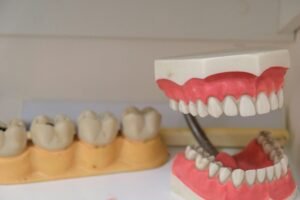
All-on-4 is a clever full-arch restoration technique. Instead of placing an implant for every single tooth (which would be expensive and time-consuming), your dentist uses just four titanium implants per jaw. The two back implants are angled to take advantage of stronger bone, and a custom bridge (your new set of teeth) gets screwed onto them.
Many patients walk out the same day with temporary teeth attached. Later, you upgrade to a stronger permanent set — often made of acrylic, zirconia, or a hybrid material.
It’s especially popular for people who have been struggling with loose dentures or severe bone loss, because it often skips the need for major bone grafting.
The Big Pros of All-on-4 Dental Implants
Let’s start with the good stuff — and there’s a lot to love!
- Same-Day Results (Teeth in a Day) This is the game-changer for most people. In many cases, you can have your bad teeth removed, implants placed, and temporary teeth attached — all in one appointment. No more going home toothless!
- Fixed and Secure — No More Slipping Dentures Unlike traditional dentures that move around and need adhesives, All-on-4 teeth are fixed in place. You can eat, speak, and smile with confidence. Many patients say it feels almost like their natural teeth again.
- Less Invasive Than Traditional Implants You only need four implants instead of six to eight. This often means shorter surgery time, less discomfort, and — best of all — fewer or no bone grafts, even if you’ve lost some bone over the years.
- Preserves Jawbone and Facial Structure Implants stimulate the jawbone like natural tooth roots, helping prevent that “sunken face” look that comes with long-term denture use.
- Natural Look and Strong Bite Modern prosthetics look incredibly realistic. Once the final bridge is placed, most people can enjoy steak, apples, and corn on the cob again without worry.
- Cost-Effective Compared to Individual Implants While not cheap, All-on-4 is usually more affordable than placing a full set of single implants.

For many Americans, the boost in quality of life is worth every penny.
The Honest Cons of All-on-4 Dental Implants
Now for the real talk — because every procedure has downsides, and you deserve to know them upfront.
- High Upfront Cost In the U.S. in 2026, expect to pay roughly $15,000 – $40,000 per arch (upper or lower jaw), with full mouth often landing between $30,000–$70,000+. Insurance rarely covers the full amount, though some plans help with parts of it. Financing options like CareCredit are common.
- It’s a Big Commitment The process involves surgery, healing time (usually 3–6 months for the final teeth), and multiple visits. Temporary teeth can feel bulky or affect speech at first while you adjust.
- Dependence on Just Four Implants Because the entire arch sits on only four posts, if one implant has issues, it can affect the whole bridge. That “all eggs in one basket” feeling worries some patients.
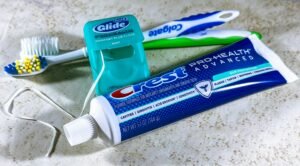
- Maintenance Is Important (and Ongoing) You’ll need special tools to clean under the bridge (water flossers and special brushes are must-haves). Poor hygiene can lead to peri-implantitis (inflammation around implants), which is one of the more common long-term issues.
- Prosthetic Wear and Repairs The temporary (and sometimes even final) acrylic bridges can chip, crack, or stain over time. Upgrading to zirconia is stronger but adds cost. Many patients need maintenance or replacement of the prosthetic every 10–15 years.
- Not Ideal for Everyone Heavy smokers, uncontrolled diabetics, or people with very poor bone quality may have higher risks. Some patients report the final teeth feeling a bit bulkier than natural teeth or having minor speech changes that take time to adapt to.
What Are the Real Success Rates in 2026?
This is where the numbers get encouraging.
Clinical studies and long-term data show All-on-4 dental implants have excellent success rates:
- Implant survival rate: Typically 95–98% at 5–10 years.
- Lower jaw (mandible): Often 97–98% success.
- Upper jaw (maxilla): Slightly lower at 95–97% due to softer bone.
- Prosthetic (the teeth part) success: Even higher — often 98–99% over 10 years.
Some studies following patients for 10–18 years report cumulative implant survival around 94–96%, with many lasting 15–20+ years when well cared for.
The key factors for success?
- Choosing an experienced oral surgeon or prosthodontist
- Following aftercare instructions
- Good overall health and excellent oral hygiene
Failure is rare (usually under 5%), but when it happens, it’s most common in the first year or due to lifestyle factors like smoking.
Who Is a Good Candidate for All-on-4?
You might be a great fit if you:
- Are missing most or all teeth in an arch
- Want a fixed, non-removable solution
- Have moderate bone loss (but not extreme)
- Are in generally good health
It’s not ideal if you have severe bone loss in certain areas, grind your teeth heavily (bruxism), or aren’t committed to regular dental visits.
Tips for the Best Possible Outcome
- Get consultations from at least 2–3 experienced implant specialists. Ask to see before-and-after photos and long-term cases.
- Discuss materials — zirconia is more durable and natural-looking than basic acrylic for the final set.
- Be honest about your health habits (smoking, diabetes control, etc.).
- Plan for maintenance costs from day one.
Final Thoughts: Are All-on-4 Dental Implants Worth It?
For the right person, All-on-4 can be truly life-changing. The pros — same-day teeth, stability, bone preservation, and a natural smile — often far outweigh the cons for people who’ve suffered with dentures or missing teeth.
But it’s not magic. It’s a serious dental investment that requires research, the right provider, and ongoing care.
If you’re tired of hiding your smile or struggling to eat comfortably, All-on-4 might be the solution you’ve been hoping for. Just go in with realistic expectations and a full picture of the All-on-4 dental implants pros and cons.
Have you been considering All-on-4, or do you already have them? I’d love to hear your questions or experiences in the comments below — happy to help however I can!