
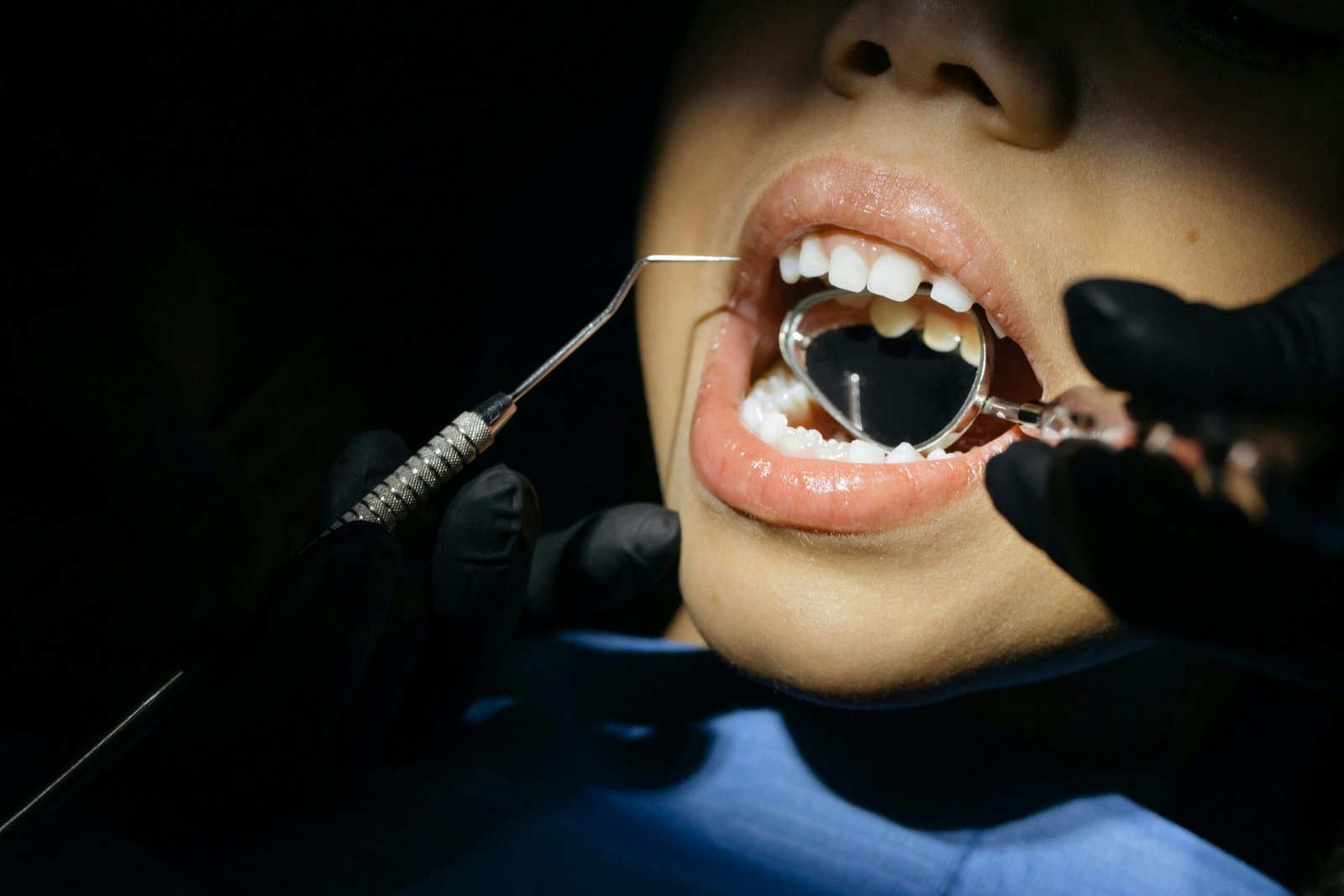
Hey parents! If your child needs extensive dental work — like multiple cavities, extractions, or a root canal — and they’re terrified of the dentist, you’re probably feeling anxious too. The idea of “putting your kid to sleep” for dental treatment can sound scary, but for many families across the U.S., pediatric dental sedation is a game-changer that makes treatment possible without trauma.
In this guide, we’ll talk honestly about pediatric dental sedation safety, the different types available in 2026, the real benefits, potential risks, and what you need to know to make an informed decision for your child.
Let’s chat about it like two parents supporting each other — no judgment, just clear, helpful information.
Why Pediatric Dental Sedation Is Sometimes Necessary
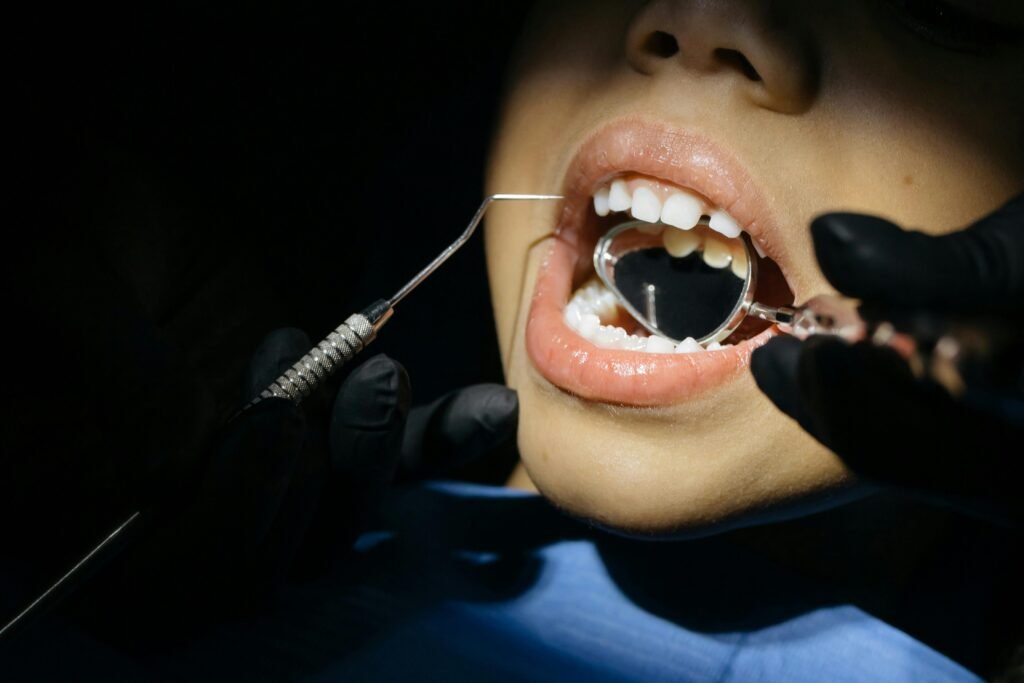
Many children have severe dental anxiety, a strong gag reflex, special needs, or require so much work that it’s impossible to complete while they’re awake. Forcing treatment can create lifelong fear of the dentist. Pediatric dental sedation helps kids stay calm, comfortable, and still so the dentist can work safely and efficiently in one visit.
The American Academy of Pediatric Dentistry (AAPD) supports its use when other behavior management techniques aren’t enough.
Types of Pediatric Dental Sedation
Here are the main options offered in most U.S. pediatric dental offices:
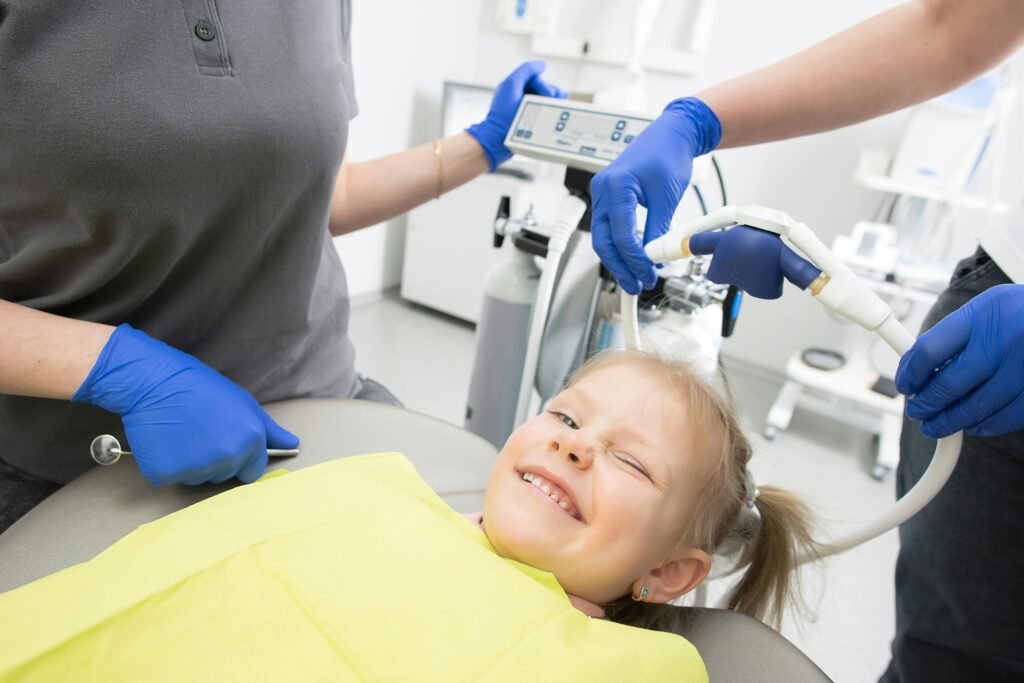
- Nitrous Oxide (Laughing Gas) The mildest and most common form. Your child breathes a mixture of nitrous oxide and oxygen through a small mask. They stay awake but feel relaxed, happy, and less worried. Effects wear off quickly once the gas is turned off.
- Oral Conscious Sedation Your child takes a prescribed liquid or pill (usually a benzodiazepine) about 30–60 minutes before the appointment. They become drowsy and relaxed but can still respond to the dentist.
- IV Sedation (Moderate/Conscious Sedation) Medication is given through a vein so the level can be carefully adjusted. Your child is deeply relaxed and usually has little memory of the procedure.
- General Anesthesia Your child is fully asleep in a hospital or surgery-center setting, monitored by an anesthesiologist. This is typically reserved for very young children, children with special healthcare needs, or extensive treatment.
Pediatric Dental Sedation Safety: What the Research Shows
This is the question every parent asks: “Is it safe?”
In 2026, pediatric dental sedation safety standards are higher than ever. When performed by properly trained pediatric dentists or in accredited facilities, serious complications are very rare.
Key safety facts:
- Nitrous oxide has an excellent safety record and is considered very low-risk for healthy children.
- Oral and IV sedation are safe when the dentist has completed advanced training (many states require specific pediatric sedation certification).
- General anesthesia is done in hospitals or surgery centers with board-certified anesthesiologists and continuous monitoring of heart rate, oxygen levels, breathing, and blood pressure.
- The AAPD and ADA have strict guidelines on patient selection, monitoring equipment, emergency training, and recovery protocols.
Most complications (when they do occur) are minor — like temporary nausea, vomiting, or prolonged drowsiness — and are managed easily. Serious events are extremely uncommon (less than 1 in 10,000 cases in well-regulated practices).
Benefits of Pediatric Dental Sedation
Parents often report life-changing improvements after using sedation:
- Reduced Trauma: Kids avoid the fear and pain that can create lifelong dental phobia.
- Efficient Treatment: Multiple procedures (fillings, crowns, extractions) can often be completed in just one or two visits instead of many stressful appointments.
- Better Outcomes: The dentist can work more precisely without a frightened, moving child.
- Improved Oral Health: Children who might otherwise avoid the dentist get the care they need before problems become severe.
- Peace of Mind for Parents: You know your child isn’t suffering or developing deep-seated fear.
Many parents say their child actually looks forward to future dental visits once the big work is done comfortably.
Who Is a Good Candidate?
Sedation may be recommended if your child:
- Is very young (under 4–5 years) and needs significant work
- Has high dental anxiety or previous negative experiences
- Has special needs (autism, ADHD, sensory issues, etc.)
- Requires extensive treatment that would be difficult while awake
- Has a strong gag reflex
A thorough pre-sedation evaluation (medical history, physical exam, and sometimes lab work) helps ensure your child is a safe candidate.
What Parents Should Ask Before Agreeing to Sedation
Don’t be afraid to ask these important questions:
- What type of sedation do you recommend and why?
- What training and certifications does the team have for pediatric dental sedation safety?
- Where will the procedure take place (office vs. hospital)?
- What monitoring equipment will be used?
- What are the risks specific to my child?
- What is the recovery process like?
- Are there non-sedation alternatives we should try first?
A good pediatric dentist will answer openly and make you feel comfortable.
What to Expect on the Day of Treatment
- Your child will need to fast (no food or drink) for several hours beforehand, depending on the sedation type.
- You’ll stay with your child during induction in most cases.
- The procedure usually takes 1–3 hours.
- Recovery time varies: Nitrous oxide — almost immediate; oral/IV — a few hours of drowsiness; general anesthesia — longer recovery with monitoring.
You’ll receive detailed post-op instructions, including what to watch for and when to call the office.
Aftercare and Recovery Tips
- Most children are back to normal activities the same day or next day (depending on sedation depth).
- Expect some grogginess, mild irritability, or nausea.
- Stick to soft foods and plenty of fluids.
- Praise your child for being brave — positive reinforcement helps build good associations.
Is Pediatric Dental Sedation Right for Your Child?
Every child is different. For many families, the benefits of completing necessary dental work comfortably far outweigh the small risks. Pediatric dental sedation safety has improved dramatically thanks to better training, monitoring technology, and stricter guidelines.
The most important step is choosing a reputable pediatric dentist or dental anesthesiologist who prioritizes safety and has extensive experience with children.
If your child is suffering from tooth pain, infections, or severe anxiety that’s preventing proper dental care, sedation could be the compassionate choice that protects both their oral health and emotional well-being.
Final Thoughts
As a parent, it’s natural to worry about anything involving your child being sedated. But when used appropriately, pediatric dental sedation is a safe, effective tool that helps thousands of kids every year receive the dental care they need without fear or trauma.
Talk openly with your pediatric dentist. Ask all your questions. Together, you can decide what’s best for your child’s unique needs and personality.
Your child’s healthy smile — and a positive attitude toward dental visits — is worth it.
Have you been considering sedation for your child’s dental treatment? What worries you most, or what has your experience been so far? Feel free to share your thoughts or questions in the comments — I’m here to help however I can!