

Hey fellow parent! If your toddler’s gums look a little red or they cry when you brush their teeth, you might be wondering if something more serious is going on. Gum disease isn’t just an adult problem — it can start as early as the toddler years, and catching it early makes all the difference.
In this guide, we’ll talk about the early signs of gum disease in toddlers, why it happens, how to spot it at home, when to see a pediatric dentist, and the simple steps you can take to protect your little one’s smile. Let’s keep it real and stress-free — just like a conversation between two worried (but proactive) moms or dads.

Can Toddlers Really Get Gum Disease?
Yes, they can. The early stage is called gingivitis — inflammation of the gums caused by plaque buildup. If left untreated, it can progress and eventually affect the bone supporting the teeth. The good news? In toddlers, gum disease is almost always reversible with good habits and early care.
Toddlers are especially at risk because they:
- Still have baby teeth with thinner enamel
- Put everything in their mouths
- May not let parents brush thoroughly
- Often drink a lot of milk or juice
7 Early Signs of Gum Disease in Toddlers
Watch for these common warning signs during brushing or mealtime:
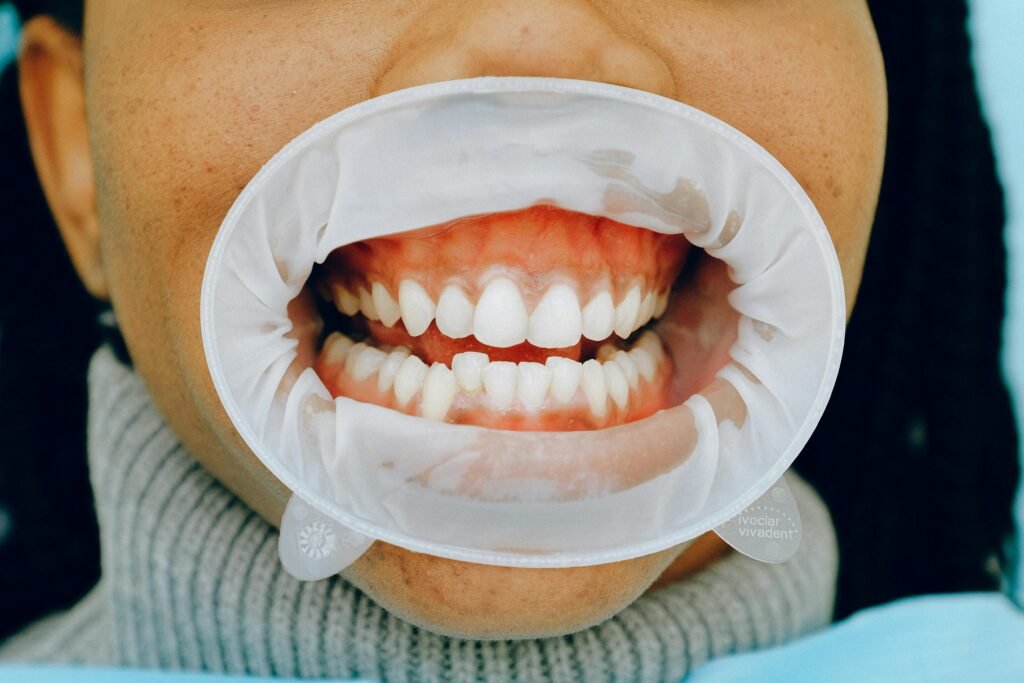
- Red or Swollen Gums Healthy toddler gums should look pink and firm. If they look bright red, puffy, or shiny, that’s often the first early sign of gum disease in toddlers.
- Bleeding Gums Does your toddler’s gums bleed easily when brushing or even while eating? Light bleeding is a classic red flag. Many parents notice it on the toothbrush or when their child spits.
- Bad Breath (Even After Brushing) Persistent bad breath in a toddler who doesn’t eat strong foods can signal bacteria and plaque buildup under the gums.
- Gums That Look “Puffy” or Receding Gums pulling away slightly from the teeth or looking unusually thick around certain teeth.
- Irritability or Pain While Brushing/Eating If your toddler suddenly fusses, cries, or refuses to let you brush certain areas, their gums may be sore.
- White or Yellowish Deposits on Teeth Near the Gums This is hardened plaque (tartar) that can irritate the gums and make inflammation worse.
- Loose Baby Teeth Before Age 5–6 Baby teeth shouldn’t get loose too early. Early loosening can sometimes point to gum problems.
If you notice two or more of these, it’s time to schedule a visit with a pediatric dentist.
What Causes Gum Disease in Toddlers?
The main culprit is plaque — a sticky film of bacteria that forms on teeth. In toddlers, this builds up faster because of:
- Frequent snacking and sipping on milk or juice (especially at bedtime)
- Ineffective brushing (toddlers often resist thorough cleaning)
- High-sugar diets
- Genetics or certain medical conditions
How to Prevent and Treat Early Gum Disease
The best news? Early gum disease in toddlers is highly treatable and often reversible.
At-Home Care Tips:
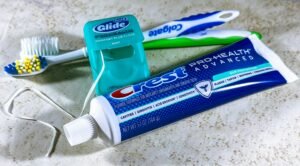
- Brush twice a day with a soft, child-sized toothbrush and a rice-grain-sized amount of fluoride toothpaste (for kids under 3) or pea-sized (ages 3+).
- Gently brush along the gumline — that’s where plaque hides.
- Floss once a day if teeth are touching (ask your dentist for the best technique).
- Limit sugary drinks and snacks — especially anything sipped throughout the day or at bedtime.
- Wipe gums with a clean, damp cloth after feedings for babies and very young toddlers.
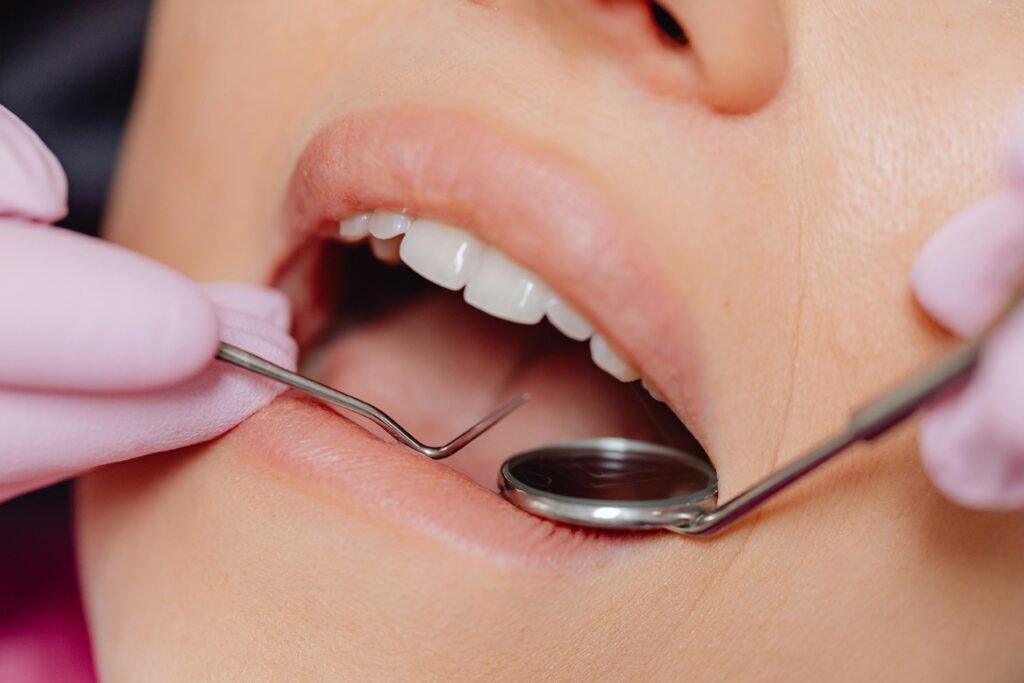
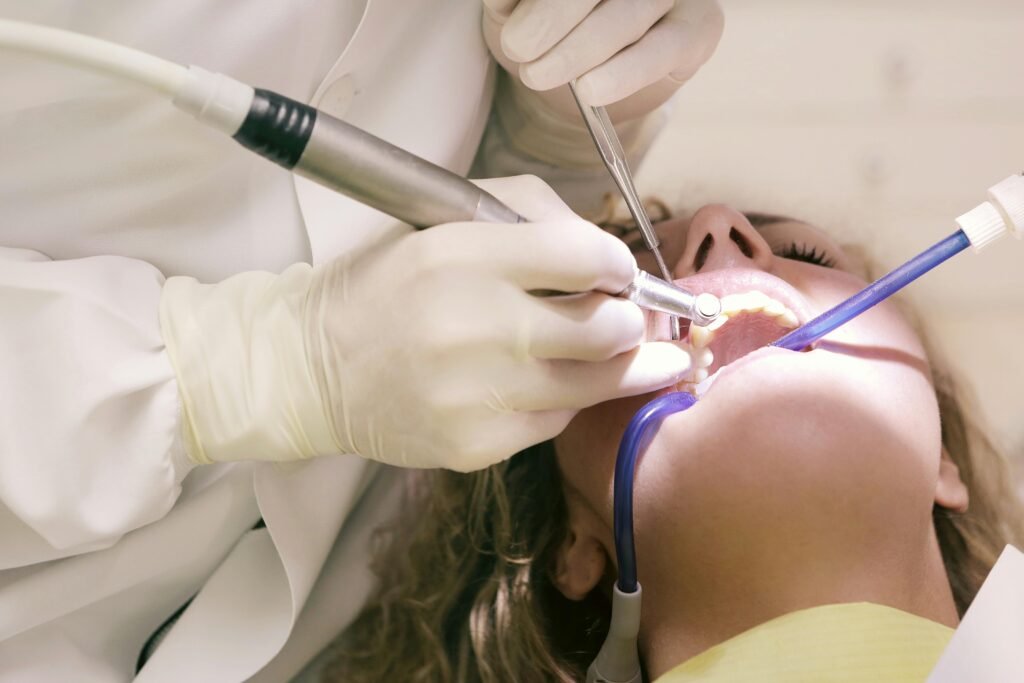
Professional Treatment: Your pediatric dentist may recommend:
- A gentle professional cleaning to remove tartar
- Fluoride varnish to strengthen teeth
- Antibacterial mouth rinse (if age-appropriate) or special toothpaste
- Antibiotics only in rare cases of infection
- Guidance on improving brushing routine at home
Most toddlers show big improvement within 2–4 weeks of consistent care.
When Should You See a Pediatric Dentist?
Don’t wait for a regular check-up if you notice:
- Bleeding gums that don’t improve after a week of better brushing
- Swelling or pus around any tooth
- Your toddler complains of pain or avoids eating
- Bad breath that persists despite good hygiene
The American Academy of Pediatric Dentistry recommends a first dental visit by age 1, or within 6 months of the first tooth coming in. Regular visits every 3–6 months are ideal if gum issues are present.
Simple Daily Routine That Works for Most Families
Here’s an easy routine many parents swear by:
- Morning brush after breakfast
- Nighttime brush after the last snack/drink (only water after brushing)
- Flossing once a day (make it fun with a song or favorite toy)
- Healthy snacks: cheese, veggies, or plain yogurt instead of constant juice or sweetened milk
Long-Term Benefits of Acting Early
Treating early signs of gum disease in toddlers now helps:
- Protect their developing permanent teeth
- Prevent pain and infections
- Build positive dental habits for life
- Avoid more expensive or complicated treatment later
Many parents are surprised how quickly their child’s gums return to healthy pink once they get consistent help.
Final Thoughts
Spotting the early signs of gum disease in toddlers doesn’t have to be scary. With watchful eyes at home and quick action from a kind pediatric dentist, most cases clear up easily and your little one can keep their bright, healthy smile.
You’re already doing a great job by reading up and wanting the best for your child. Trust your instincts — if something doesn’t look or feel right with your toddler’s gums, schedule that dental visit. Early care today means fewer worries tomorrow.
Have you noticed any changes in your toddler’s gums lately? Or do you have questions about brushing techniques or diet? Drop your thoughts or experiences in the comments — I’d love to help however I can!