
Hey there! If you’ve been diagnosed with sleep apnea — or suspect you have it because of loud snoring, daytime fatigue, or waking up gasping for air — you’ve probably heard about CPAP machines. They’re the gold standard treatment, but let’s be honest: not everyone loves wearing a mask connected to a humming machine every night.
The good news? There’s a comfortable, effective alternative that many Americans are turning to: sleep apnea dental appliances. These small, custom-fitted mouthpieces can help keep your airway open without masks, hoses, or electricity. In this guide, we’ll talk about how they work, who they’re best for, how they compare to CPAP, costs in 2026, and whether they might finally help you get the restful sleep you deserve.
Let’s chat about it like we’re sitting in the dentist’s office together — no pressure, just real talk.
What Are Sleep Apnea Dental Appliances?
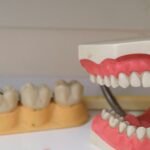
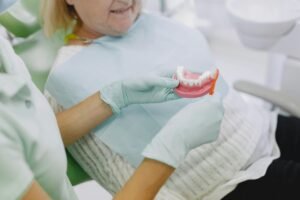
Sleep apnea dental appliances (also called oral appliance therapy or mandibular advancement devices — MADs) are custom-made mouthpieces that gently shift your lower jaw forward while you sleep. This simple movement helps prevent the soft tissues in your throat from collapsing and blocking your airway — the main cause of obstructive sleep apnea (OSA).
They look a bit like a sports mouthguard or a clear aligner, but they’re specially designed and adjusted by a trained dentist (often one certified in dental sleep medicine). You wear the device only at night, and many people find them far more comfortable than a CPAP mask.
How Do Sleep Apnea Dental Appliances Work?
The appliance holds your lower jaw (mandible) in a slightly advanced position — usually 5–10 millimeters forward. This pulls the tongue and soft palate forward, opening up the airway so you can breathe steadily all night.
Most modern devices are adjustable, allowing your dentist to fine-tune the position over a few weeks (a process called titration) until you get the best results with maximum comfort.
Who Are Sleep Apnea Dental Appliances Best For?
They’re often an excellent option if you have:
- Mild to moderate obstructive sleep apnea
- Trouble tolerating CPAP (claustrophobia, mask leaks, noise, or travel hassles)
- A preference for something quiet, portable, and easy to use
They can also work for some people with more severe apnea, especially when combined with other treatments, or if you simply can’t stick with CPAP long-term. However, they’re not usually the first choice for very severe cases with significant oxygen drops — your sleep doctor will help determine the best fit after a sleep study.
Sleep Apnea Dental Appliances vs. CPAP: A Real-World Comparison
CPAP is highly effective at reducing apnea events (often by 90%+), but many people struggle with consistent use. Studies show that sleep apnea dental appliances often win on compliance — people tend to wear them longer each night and for more nights per week because they’re more comfortable and less intrusive.
- Effectiveness: CPAP usually lowers the apnea-hypopnea index (AHI) more dramatically, but because oral appliances have higher adherence rates (often 70–90% vs. around 50% for CPAP), real-world results can be surprisingly similar for mild-to-moderate cases.
- Comfort & Lifestyle: No mask, no noise, no power cord. Perfect for travel, side-sleepers, or anyone who hates feeling “tethered.”
- Maintenance: Much simpler — just clean the device like a retainer. No filters, hoses, or daily mask washing.
- Side Effects: CPAP can cause dry mouth, skin irritation, or congestion. Dental appliances may cause temporary jaw soreness, excessive saliva, or bite changes (usually mild and improve with time).
Many patients say the appliance “saves their rest” because they actually use it every night.
What to Expect: The Process of Getting a Sleep Apnea Dental Appliance
- Diagnosis: You’ll need a sleep study (in-lab or at-home) to confirm OSA and measure severity.
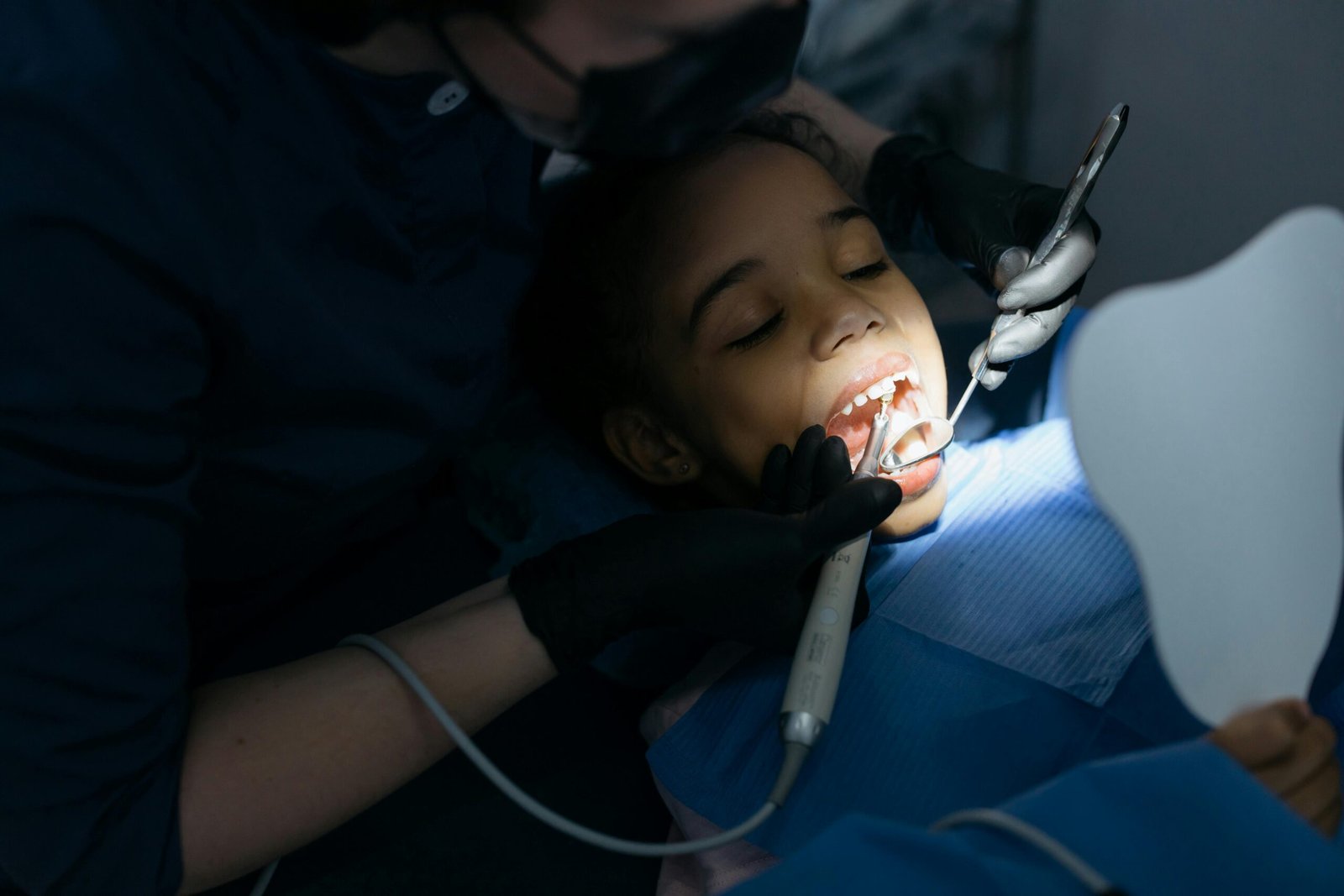
- Consultation: See a dentist trained in dental sleep medicine. They’ll examine your teeth, jaw, and bite.
- Custom Fitting: Impressions or digital scans are taken. The appliance is fabricated in a lab (usually 2–4 weeks).
- Fitting & Titration: You try it on, and adjustments are made over several visits until it feels right and effectively reduces your symptoms.
- Follow-Up: A repeat sleep study (often at home) checks how well it’s working. Most people notice better sleep, less snoring, and more energy within weeks.
The whole process usually takes 1–3 months from start to comfortable nightly use.
Pros and Cons of Sleep Apnea Dental Appliances
Pros:
- Comfortable and discreet — no mask or machine
- Portable and travel-friendly
- Quiet (great for bed partners!)
- Higher long-term compliance for many users
- Can improve snoring dramatically
- Often covered by medical insurance or eligible for HSA/FSA funds
Cons:
- Best for mild-to-moderate OSA (may not be enough for severe cases)
- Possible short-term jaw or tooth discomfort
- Requires healthy teeth and gums for a good fit
- May cause temporary bite changes (monitored by your dentist)
- Needs regular dental check-ups for adjustments and monitoring
How Much Do Sleep Apnea Dental Appliances Cost in 2026?
In the United States, custom oral appliances typically range from $1,800 – $3,000 (including fitting, adjustments, and follow-up care).
Many medical insurance plans cover them as durable medical equipment when prescribed after a sleep study, especially if you have documented CPAP intolerance. Medicare and most major insurers often provide good coverage. Even without full insurance, HSA or FSA funds can help since these are qualified medical expenses.
Compared to CPAP (initial machine $500–$3,000 plus ongoing mask and supply replacements), dental appliances can be more cost-effective long-term for many patients.
Popular FDA-cleared options include devices like SomnoDent, ProSomnus, and Narval CC — your dentist will recommend the best one for your bite and needs.
Tips for Success with Your Dental Appliance
- Wear it every night for best results.
- Clean it daily with a soft brush and non-abrasive cleaner.
- Attend all follow-up appointments so your dentist can monitor your bite and make adjustments.
- Combine with healthy habits: maintain a healthy weight, avoid alcohol before bed, and sleep on your side if possible.
- If you have jaw pain or bite changes that don’t improve, let your provider know right away.
Final Thoughts: Could a Dental Appliance Save Your Sleep?
If CPAP isn’t working for you — or you’re looking for a simpler, more comfortable option — sleep apnea dental appliances are worth exploring. For many Americans with mild to moderate sleep apnea, they provide life-changing relief: quieter nights, better energy, and a treatment you’ll actually stick with.
The key is working with a qualified dentist who specializes in dental sleep medicine and staying in close communication with your sleep doctor. Together, they can help you find the solution that truly works for your lifestyle and health needs.
Don’t settle for exhausted days and restless nights. Talk to your doctor or a dental sleep specialist about whether a custom oral appliance could be your “beyond CPAP” answer.
Have you tried CPAP and struggled with it, or are you newly diagnosed and exploring options? Drop your questions or experiences in the comments — I’d love to help point you in the right direction!