

Hey there! If you’re an adult who wants straighter teeth but dreads the idea of visible metal braces, you’re probably torn between two popular discreet options: lingual braces and Invisalign. Both promise to fix your smile without anyone noticing, but they work very differently.
So which one is actually more effective? In this friendly guide, we’ll compare lingual braces vs Invisalign head-to-head — covering comfort, effectiveness, treatment time, cost, and real-life pros and cons — so you can make the best decision for your smile in 2026.
Let’s talk about it like we’re sitting across from each other at a coffee shop. No sales pitch, just honest information.
What Are Lingual Braces?
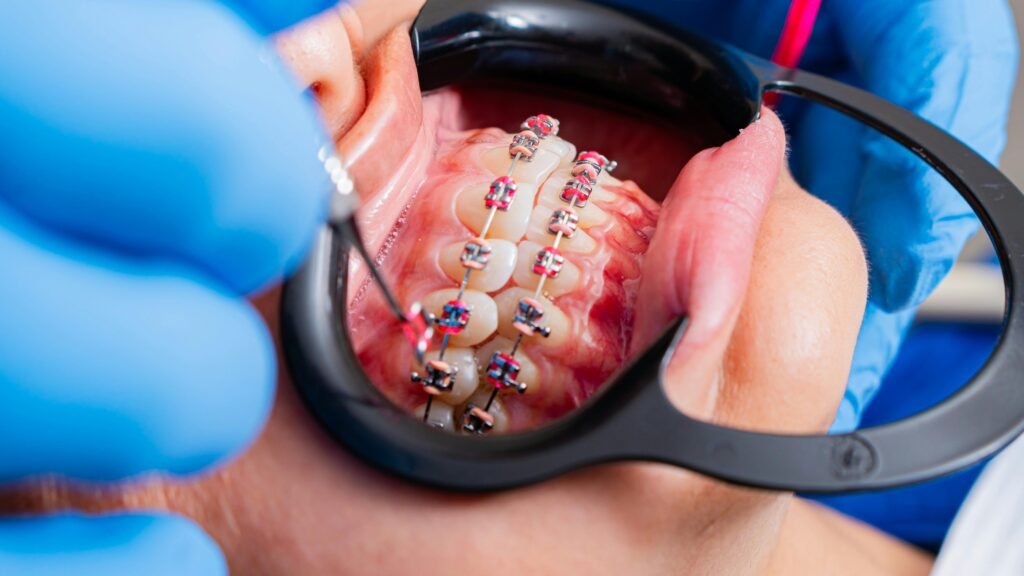
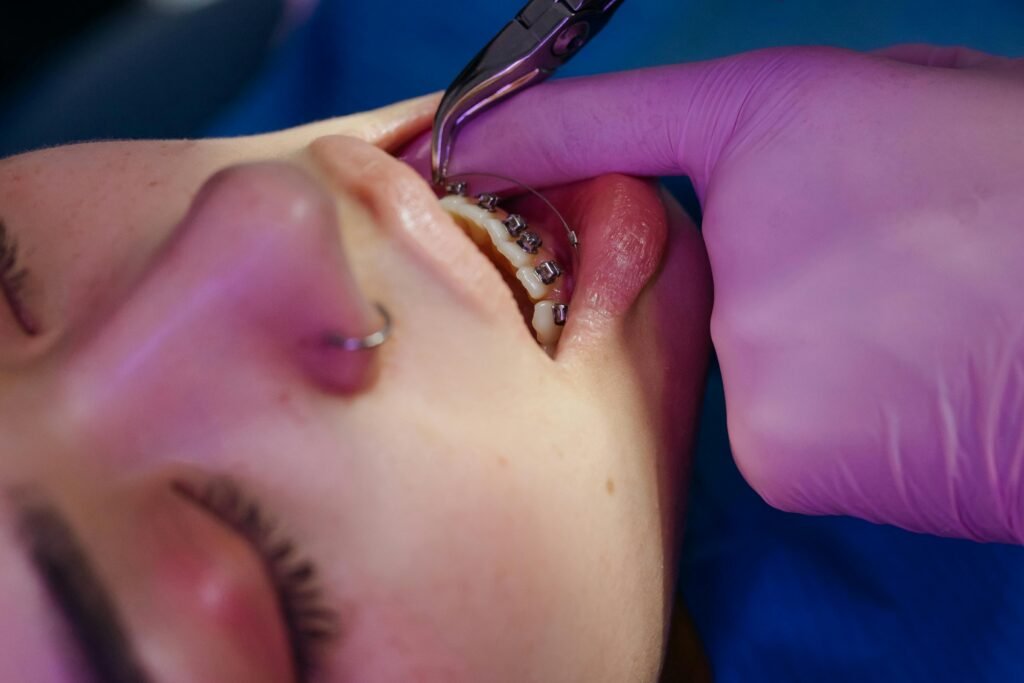
Lingual braces are traditional braces, but with a twist — the brackets and wires are placed on the inside (tongue side) of your teeth instead of the front. Because they’re hidden behind your teeth, they’re virtually invisible from the outside.
They work the same way as regular braces: gentle, continuous pressure gradually moves your teeth into better alignment.
What Is Invisalign?
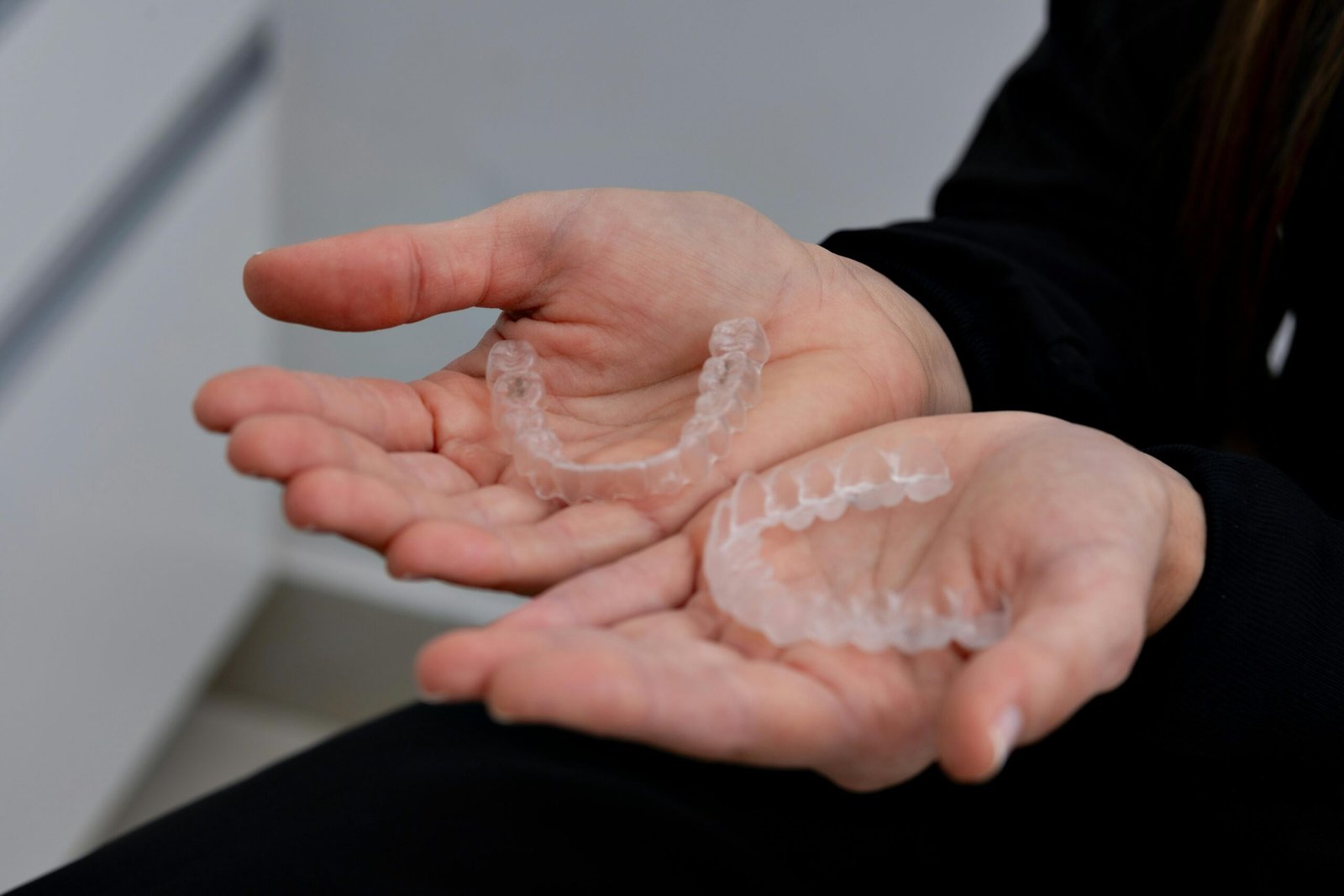
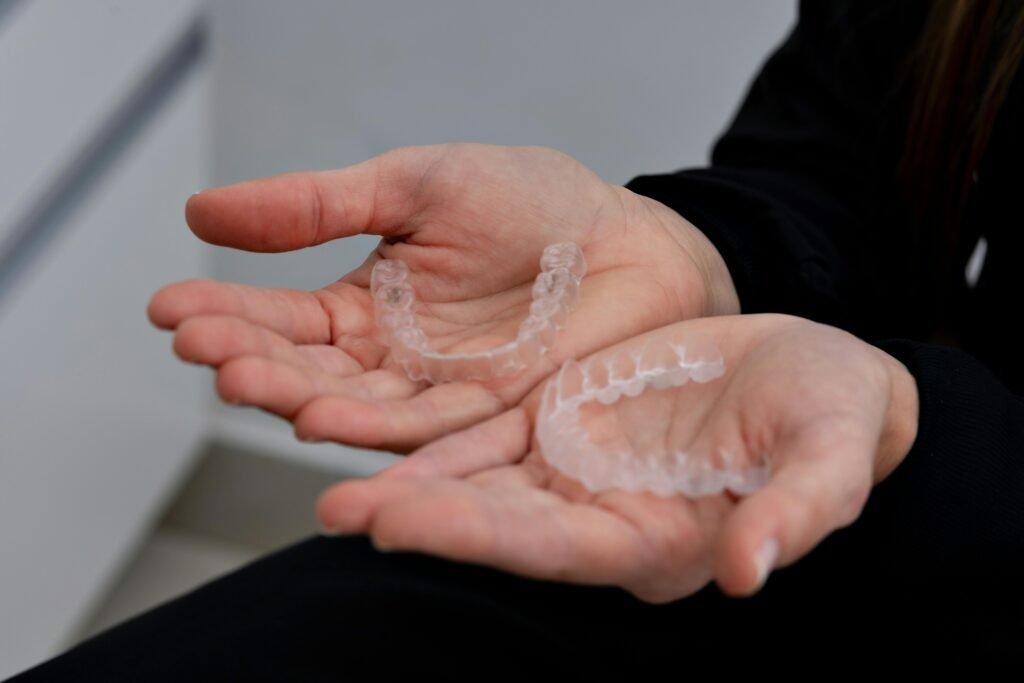
Invisalign is a series of custom-made, clear, removable plastic aligners that you wear over your teeth. You switch to a new set of aligners every 1–2 weeks, and they gradually shift your teeth. Most adults wear them 20–22 hours per day.
Invisalign also offers attachments (small, tooth-colored bumps) and sometimes elastics for more complex movements.
Lingual Braces vs Invisalign: The Big Differences
Here’s a clear breakdown:
1. Visibility
- Lingual braces: Completely invisible from the front — truly “hidden” braces.
- Invisalign: Nearly invisible. People might notice them up close when you talk or smile, but from a distance they’re very discreet.
2. How They Feel
- Lingual braces: Can feel bulkier on the tongue at first. Many patients experience temporary tongue irritation, speech changes (lisping), and discomfort for the first 2–4 weeks.
- Invisalign: Much smoother. The aligners are thin and custom-fitted. Most people adjust within a few days, with only minor speech changes initially.
3. Effectiveness & What They Can Treat
- Lingual braces: Very effective for complex cases, including severe crowding, large gaps, significant bite issues (overbite, underbite, crossbite), and rotations. They give the orthodontist precise control because they’re fixed in place.
- Invisalign: Excellent for mild to moderate cases. In 2026, with improved materials and SmartTrack technology plus attachments, Invisalign can handle many moderate-to-complex cases too. However, some very severe bite problems or significant tooth rotations may still need traditional or lingual braces for the best outcome.
4. Treatment Time
- Lingual braces: Often similar to traditional braces — typically 18–36 months depending on complexity.
- Invisalign: Usually 6–18 months for most adults. Some complex cases can take longer with refinements.
5. Removability & Convenience
- Lingual braces: Fixed — you can’t remove them. Eating and cleaning take extra effort.
- Invisalign: Removable, so you can eat, drink, brush, and floss normally. This makes oral hygiene much easier and there are no food restrictions.
6. Maintenance & Comfort
- Lingual braces: Harder to clean (food gets trapped more easily on the inside). Regular adjustments every 4–8 weeks.
- Invisalign: Easy to clean — just pop them out and rinse. You visit the office every 6–12 weeks (or use remote monitoring with some plans).
7. Cost in 2026
- Lingual braces: Typically $6,000 – $12,000+ for full treatment (often more expensive than traditional braces due to custom lab work and placement difficulty).
- Invisalign: Usually $3,500 – $7,500 for full treatment (average around $4,500 – $6,500). At-home or limited Invisalign options can be cheaper.
Many orthodontists offer financing, CareCredit, or monthly payments for both.
Pros and Cons: Lingual Braces vs Invisalign
Lingual Braces Pros:
- Truly invisible from the front
- Excellent control for complex bite corrections
- No compliance issues (they’re always working)
Lingual Braces Cons:
- More initial discomfort and speech issues
- Harder to keep clean
- More expensive and fewer orthodontists offer them
- Can irritate the tongue longer
Invisalign Pros:
- More comfortable for most people
- Removable — easier eating, brushing, and flossing
- Usually faster treatment time
- More affordable and widely available
- You can see a digital preview of your final smile before starting
Invisalign Cons:
- Requires discipline (must wear 20–22 hours/day)
- May not be ideal for very severe cases
- Aligners can be lost or damaged (extra cost for replacements)

Which One Is More Effective?
It depends on your specific case:
- Choose Lingual Braces if: You have a complex bite issue, want completely invisible treatment, and don’t mind the initial tongue discomfort. They’re especially good if you’re not great at remembering to wear removable aligners consistently.
- Choose Invisalign if: You want maximum comfort, easier hygiene, the ability to remove them for important events or photos, and a generally faster, more convenient experience. In 2026, Invisalign handles the majority of adult cases very effectively.
Many orthodontists now say that for most adults with mild-to-moderate misalignment, Invisalign is equally or more effective because of better patient compliance and modern advancements. For severe cases, lingual braces or a combination approach may still be superior.
Real Patient Experiences
Most people who choose lingual braces say the first month is the toughest, but then they forget the braces are even there. Invisalign users often love the freedom of removing the aligners for meals and special occasions, though some admit they occasionally forget to put them back in.
How to Decide: Lingual Braces vs Invisalign
The best way is to get consultations from at least two experienced orthodontists. Ask them to:
- Show you a 3D treatment simulation for Invisalign
- Explain whether your case is suitable for lingual braces
- Give honest pros/cons for your specific bite and lifestyle
Be upfront about your budget, how disciplined you are with removable devices, and how important absolute invisibility is to you.
Final Thoughts
Both lingual braces and Invisalign are excellent discreet orthodontic treatments that can deliver beautiful results. Lingual braces vs Invisalign ultimately comes down to your personal priorities: absolute invisibility and complex corrections (lingual) versus comfort, convenience, and flexibility (Invisalign).
In 2026, Invisalign remains the most popular choice for adults because of its balance of effectiveness, comfort, and lifestyle fit. But for certain challenging cases, lingual braces still shine as a truly hidden powerhouse.
Ready to straighten your smile without the metal look? Schedule consultations with qualified orthodontists who offer both options. Seeing your own 3D preview can make the decision much clearer.
Have you been weighing lingual braces vs Invisalign? What’s your biggest concern — comfort, cost, treatment time, or something else? Drop your questions in the comments — I’d love to help you sort through it!